Can Lebanese buy property in Saudi Arabia?
The Non-Saudi Real Estate Ownership Law came into force on 22 January 2026, and the Council of Ministers approved its implementing regulations and the designated zones on 23 June 2026. Lebanese citizens buy on the same terms as any other non-GCC nationality. Your rights depend on where you live, where the property is and, in Makkah and Madinah, your faith.
| Your situation | Inside the designated zones | Outside the zones |
|---|---|---|
| Living in Lebanon, the Gulf or elsewhere abroad | Yes, in your own name | No |
| Living in Saudi Arabia on an iqama or Premium Residency | Yes | One home to live in, not in Makkah or Madinah |
| Makkah and Madinah | Muslim individuals only, residential property inside the zones | No |
The Riyadh zones named on approval include Sedra, King Abdullah Financial District, Diriyah Gate, King Salman Park and New Murabba; in Jeddah, the city centre and development zones 1 to 55. The resident's right to one home outside the zones is in Article 2 of the law. We check the exact plot on the zone map before you pay a reservation.
If you live in the Kingdom, you apply on the Saudi Properties platform with your iqama number, and eligibility is checked automatically. If you live abroad, you first need a Saudi digital identity, arranged at an appointment at a Saudi mission in your country of residence and activated in Nafath, with a Saudi eSIM and a Saudi bank account in your own name. Either way, the purchase is valid only once it is recorded in the Saudi Real Estate Registry. Our step-by-step buying guide sets out the order.
Makkah and Madinah: the rules for Muslim and Christian buyers
In the two holy cities the rules turn on faith. Muslim individuals, whether they live in the Kingdom or abroad, may own residential property inside the zones designated for Makkah and Madinah (Real Estate General Authority, 23 June 2026). Non-Muslim individuals may not own in either city. Lebanese Christians and other non-Muslims can buy in the Riyadh and Jeddah zones on the same terms as Muslim buyers.
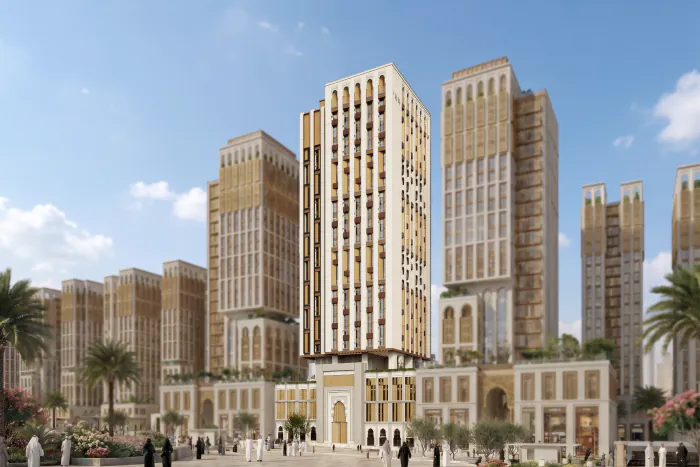
- Makkah zones: Abraj Makkah, Al Manar, Burj Ajyad, King Salman Gate, Tilal Village, Jabal Omar, Dhakhir Makkah, Dahiyat Sumou, Masar and Makkah zones 1 and 2.
- Madinah zones: Al Ghurra, Madinah zones 1 and 2, Al Mahwa, Darat Al Hijra, Downtown Madinah, Diyar Al Maqar, Rua Al Madinah, Knowledge Economic City and Mishraf.
- Residents: an iqama holder's one home outside the zones cannot be in either city.
- Companies: Saudi companies may own there for their business and staff housing (Article 3 of the law); foreign companies and foreign non-profit bodies may not. Enterprise reports that a Saudi company qualifies only if non-Saudis hold no more than 49% of it in total and no single non-Saudi more than 5%.
See Makkah and Madinah for districts and prices.
Saudi visa for Lebanese citizens
Lebanon is on neither the standard tourist eVisa list nor the list for the tourist package visa launched in July 2026. Lebanese passport holders have these routes:
- With a used US, UK or Schengen visa, or permanent residence in the US, the UK or the EU: the eVisa or a visa on arrival.
- With residence in a GCC state, valid three months beyond your entry: the eVisa for GCC residents.
- A business visit visa, open to all nationalities.
- A visa from a Saudi embassy or consulate.
Middle East Airlines flies non-stop from Beirut in about 2 hours 35 minutes to Riyadh and 2 hours 30 minutes to Jeddah. If you cannot travel for completion, a power of attorney lets a lawyer sign for you. See visiting Saudi Arabia.
Paying from Lebanon: dollars and transfers
Prices and payment plans are set in Saudi riyals, pegged at SAR 3.75 to the US dollar, so a dollar budget holds. The question is the transfer. Since the 2019 financial crisis Lebanese banks have applied de facto capital controls that limit transfers abroad.
- If you live in the Kingdom, pay from your Saudi riyal account. Residents can also apply to Saudi banks for home finance; see mortgages for foreigners.
- If you live in the Gulf, Europe or elsewhere, pay from an account in your own name outside Lebanon.
- If the money sits in a Lebanese bank, get the bank's answer in writing before you reserve.
Pay only into the seller's account or the project's escrow account, and keep the evidence of where the money came from. Our guide to sending money to Saudi Arabia covers the steps.
Saudi property buying costs
There is no annual property tax on a home you live in or let. The costs of buying fall when the property changes hands.
| Cost | Rate | What to know |
|---|---|---|
| Real Estate Transaction Tax | 5% of the value | The law makes the seller liable; the contract can pass it to you |
| Registry transfer fee | SAR 1,600 | Confirm on the registry platform before you apply |
| Brokerage | 2.5% unless agreed otherwise | On new developments sold through Omnia, the developer pays us |
When you sell. When a non-Saudi owner disposes of a property (sells it or otherwise transfers it) in the zones of Riyadh, Jeddah, Makkah or Madinah, the Real Estate General Authority charges a fee of 2% of the value (the law allows up to 5%). It is a cost when you sell, not when you buy, and some transfers, such as estate distributions, are exempt. See property costs and taxes.
The price and the place
The contract
Your own costs
Total cost of buying
SAR 151,600
An estimate: 5.1% of the agreed price, paid on top of it.
- Real Estate Transaction Tax5% of the price, paid by you
- SAR 150,000
- Title registrationReal Estate Registry transfer fee. Confirm it on the registry's platform
- SAR 1,600
- Price plus costs
- SAR 3,151,600
In short
Plan for SAR 3,151,600 in all: the price, plus 5.1% in buying costs.
When you sell
As a non-Saudi owner in this city you pay the Real Estate General Authority 2% of the value when you sell: about SAR 60,000 at today's price. It is a cost of selling, not of buying, so it is not in the total.
Rates checked on 15 November 2026. The tax is charged on the price or the fair market value, whichever is higher, and is paid before the transfer is notarised. The registration fee is the figure one law firm gives for the Real Estate Registry. There is no annual property tax on a home you live in or let. An estimate, not a quotation: property costs and taxes explained.
Sources for these figures
- ZATCA, Detailed Guideline for Real Estate Transaction Tax, version 6, May 2026
- ZATCA, Guideline for the Real Estate Sector under VAT, issue 3.0, May 2026
- Real Estate Brokerage Law, Royal Decree M/130, Article 14 (REGA, Bureau of Experts translation)
- Trowers & Hamlins, Saudi Arabia real estate transactions: taxes and fees, 21 July 2026
- PwC Worldwide Tax Summaries, Saudi Arabia, individual: other taxes, last reviewed 29 July 2026
- Amlak, REGA spokesperson on the 2% fee on disposals by non-Saudis, 8 July 2026
Send me this breakdown
Your figures by email, and an adviser to check them against the contract of a real development.
Email me the breakdown
Lebanese tax on Saudi property
Saudi Arabia has no individual income tax scheme and no inheritance tax, so rent from a home you hold personally is not taxed in the Kingdom. Lebanon and Saudi Arabia have no double taxation agreement. Lebanon taxes salaries on a territorial basis, and residents who hold foreign shares and bonds, or receive income from them, declare that income. Ask a Lebanese tax adviser how rent and a gain from a Saudi home are treated for you before you buy.
Where Lebanese buyers look in Saudi Arabia
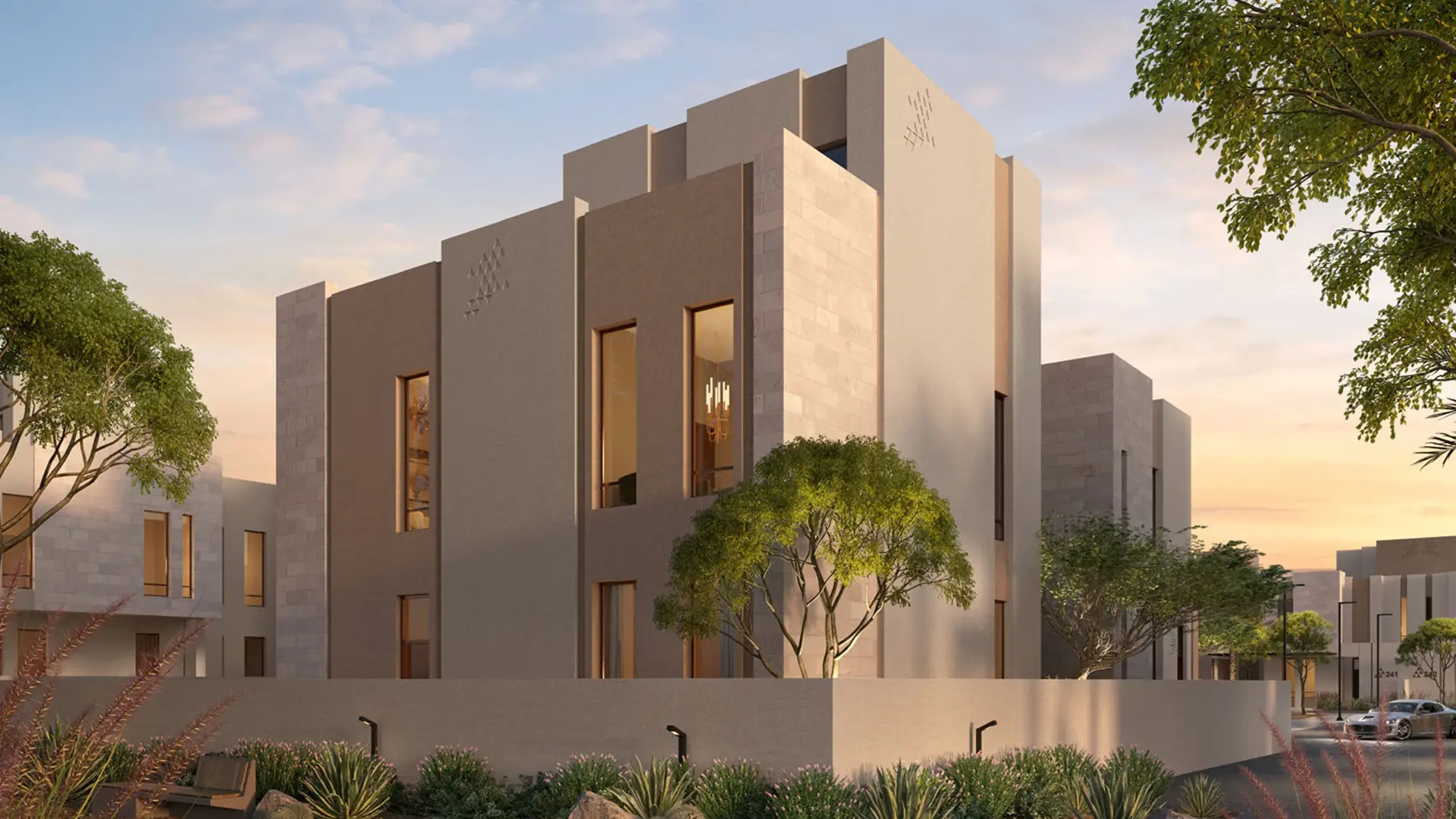
Riyadh is the capital and the centre of business. In Sedra, ROSHN's planned community in north Riyadh and a named zone, two villa projects carry Lebanese names. Etoile by Elie Saab is Dar Al Arkan's gated community of 150 three and four bedroom villas with Elie Saab Maison interiors. Neptune Interiors by Mouawad is Dar Global's 200 five-bedroom villas with interiors licensed from the jewellery house Mouawad, handover targeted for Q4 2027.
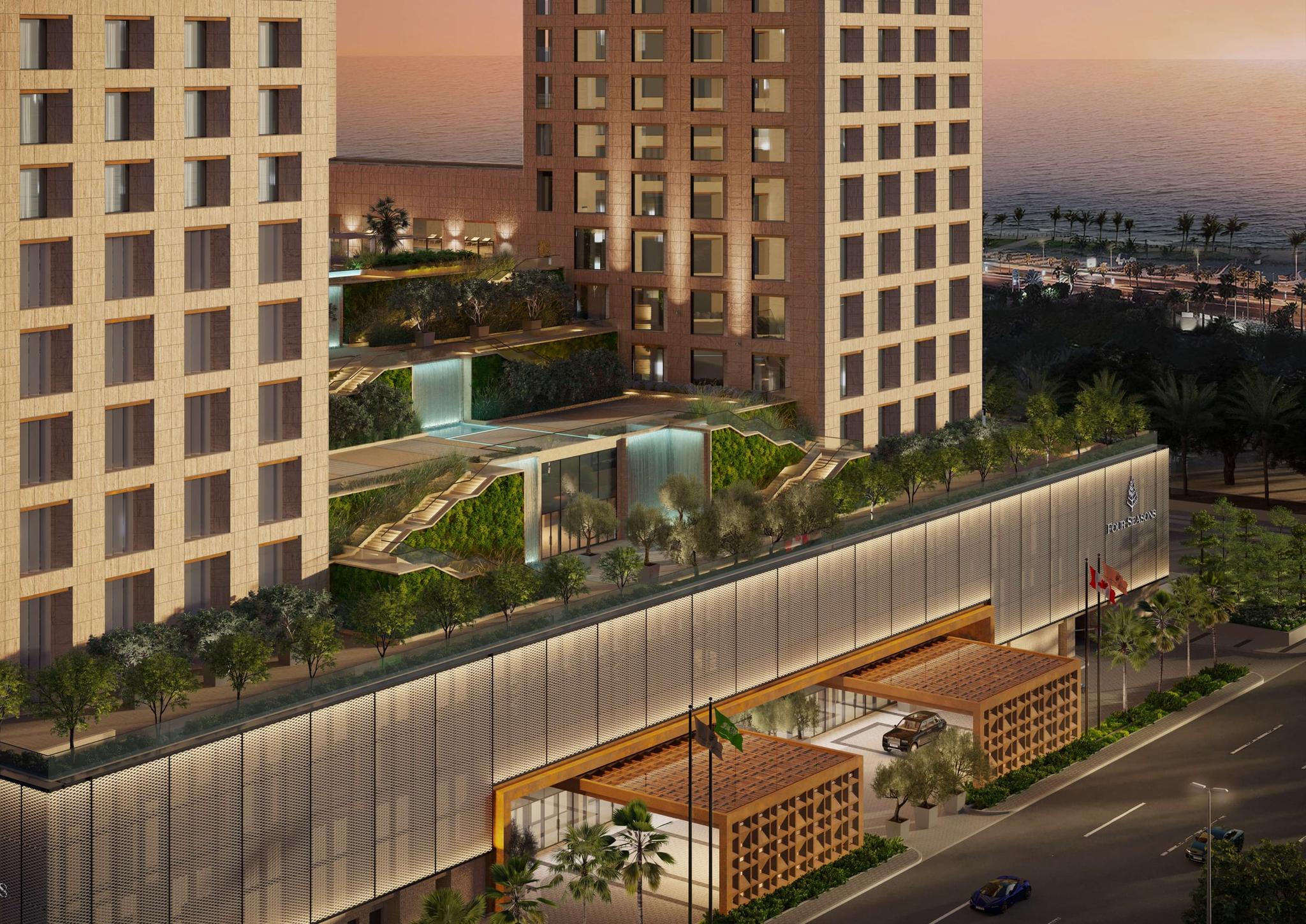
Jeddah suits a buyer who wants the Red Sea: Four Seasons Private Residences Jeddah stand on the Corniche. Muslim buyers can also look at Makkah and Madinah.
Before you commit
- Check the plot against the zone map, or confirm your one-home right if you hold an iqama.
- Confirm that your money can move before you pay a reservation, and check the project's Wafi licence if it is off-plan.
- Owning a home does not give you residence. The Premium Residency real estate owner route asks for a residential property worth at least SAR 4 million, free of any mortgage; an off-plan home from a developer approved by the Real Estate General Authority can qualify once at least SAR 1 million or 10% of the price is paid.
- Values and rents can fall as well as rise. Ask us for comparable evidence on the specific home.