Riyadh and Jeddah: two climates
Riyadh, in the centre of the peninsula, has a dry desert climate: very hot summers, cool winter nights and little rain. Jeddah, on the Red Sea coast, is warm in winter and humid all year, so its summers feel heavier than the thermometer says. Both are hot from May to September. The difference matters when you buy: in Riyadh a home has to keep heat out, in Jeddah it also has to keep damp and salt out.
Riyadh and Jeddah weather month by month
Long-term averages for 1982 to 2011, published by the World Meteorological Organization from National Center for Meteorology records.
| Month | Riyadh high | Riyadh low | Riyadh rain (days) | Jeddah high | Jeddah low | Jeddah rain (days) |
|---|---|---|---|---|---|---|
| January | 20.1°C | 6.9°C | 16.6 mm (5.8) | 28.9°C | 18.2°C | 11.1 mm (2.2) |
| February | 23.3°C | 9.3°C | 9.2 mm (4.0) | 29.4°C | 17.9°C | 3.2 mm (0.7) |
| March | 27.7°C | 13.2°C | 21.8 mm (9.8) | 31.6°C | 19.3°C | 2.5 mm (1.0) |
| April | 33.3°C | 18.4°C | 26.3 mm (12.4) | 34.8°C | 22.0°C | 2.4 mm (0.8) |
| May | 39.4°C | 23.4°C | 6.0 mm (3.1) | 37.1°C | 24.0°C | 0.2 mm (0.3) |
| June | 42.6°C | 25.3°C | 0 mm (0) | 38.2°C | 24.8°C | 0 mm (0.1) |
| July | 43.7°C | 26.4°C | 0 mm (0) | 39.4°C | 26.4°C | 0.2 mm (0) |
| August | 43.7°C | 26.3°C | 0 mm (0.1) | 38.7°C | 27.3°C | 0.5 mm (0.6) |
| September | 40.6°C | 22.9°C | 0 mm (0) | 37.6°C | 26.3°C | 0.1 mm (0.1) |
| October | 35.5°C | 18.2°C | 1.2 mm (0.9) | 36.6°C | 24.0°C | 1.0 mm (0.5) |
| November | 28.1°C | 13.3°C | 13.0 mm (4.3) | 33.3°C | 22.1°C | 23.0 mm (2.3) |
| December | 22.1°C | 8.4°C | 17.0 mm (5.9) | 30.6°C | 19.9°C | 11.4 mm (1.8) |
Read the lows as well as the highs. Riyadh's July nights average 26.4°C, so a home that soaks up heat all day gives little of it back overnight. Jeddah's nights stay at or above 24°C from May to October.
Riyadh or Jeddah: the climate compared
Added up from the same normals, the two cities differ more than their summer highs suggest:
| Riyadh | Jeddah | |
|---|---|---|
| Hottest month, average high | 43.7°C, July and August | 39.4°C, July |
| Coolest month, average low | 6.9°C, January | 17.9°C, February |
| Months with an average high above 40°C | June to September | None |
| Rain in a year | about 111 mm over about 46 days | about 56 mm over about 10 days |
| Wettest month | April, 26.3 mm | November, 23.0 mm |
| What the home has to handle | Dry heat, cold winter nights, dust | Humidity and sea air all year |
Riyadh gives you a real winter, with nights cold enough to sit by a fire in the desert, and the hardest summer. Jeddah never gets cold and never quite as hot, but the humidity means the air-conditioning runs for more of the year, and a sea view brings salt with it.
The seasons in practice
November to March is the season for outdoor life: desert trips and evenings on terraces in Riyadh, the Corniche and the sea in Jeddah. Riyadh nights in December and January average 7°C to 8°C, cool enough for a jacket. This is also the season for viewings.
April and May warm quickly, and April brings Riyadh's heaviest rain, in short showers. Sandstorms are typical in late spring and summer, driven by seasonal winds.
June to September is lived indoors and after dark. From 15 June to 15 September 2026 the Ministry of Human Resources banned outdoor work in the sun from 12:00 to 15:00 in all private establishments, which slows building sites and outdoor maintenance.
Ramadan moves through the seasons, about eleven days earlier each year. In 2027 it is projected to begin around 8 February, subject to the moon sighting. Working hours shorten and social life shifts to the evening.
What the climate means for your home
Heat shapes how a Saudi home should be built and how much it costs to run. These are the points we check when we offer a home.
Insulation and glazing. Thermal insulation is compulsory for buildings in the Kingdom. The Saudi Energy Efficiency Center says insulation can cut the electricity used by air-conditioning and heating by 30% to 40%, and double or reflective glass by up to 5%, for up to 5% more on the cost of construction. Ask the developer for the wall and roof insulation and the glazing specification in writing.
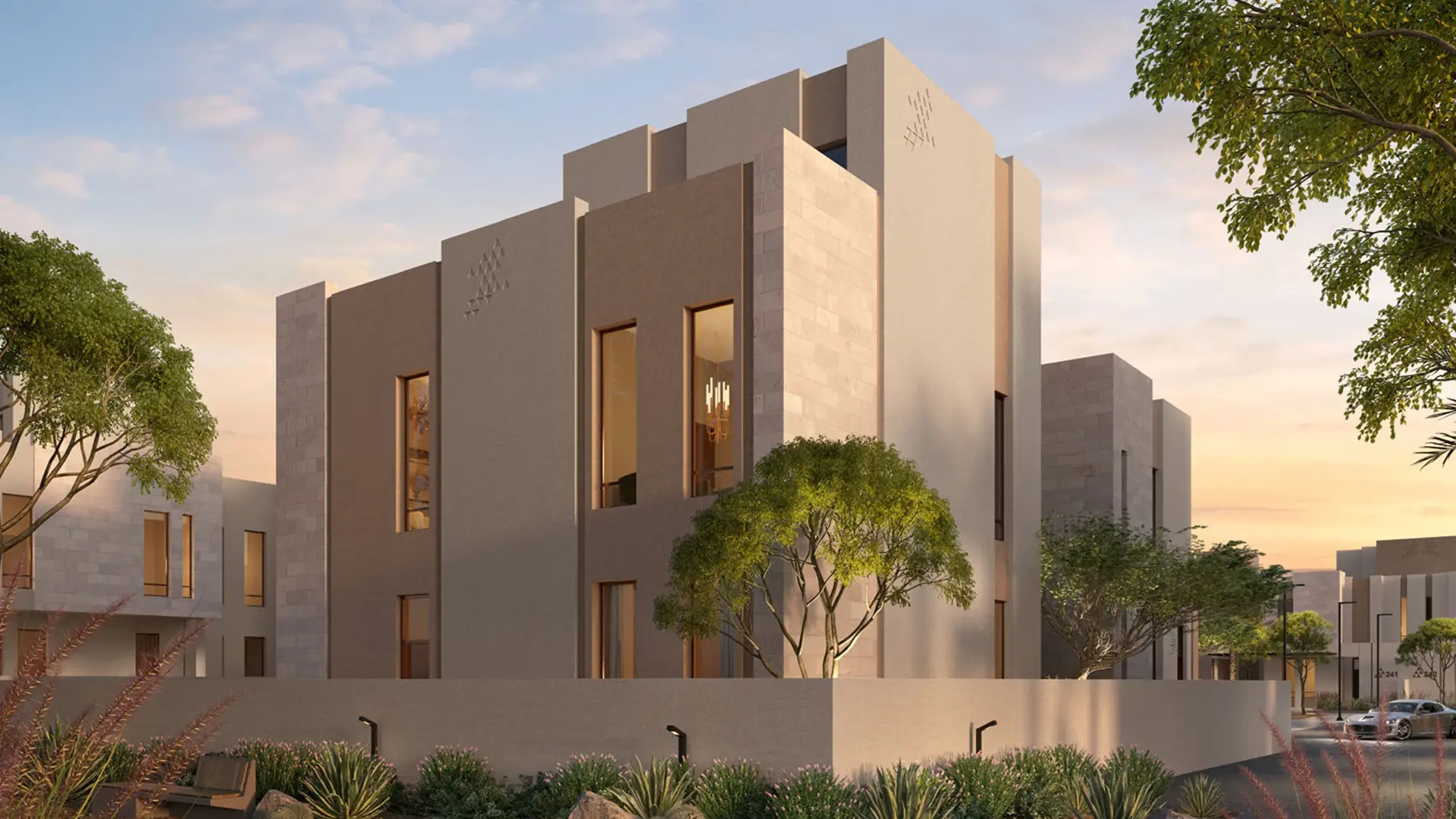
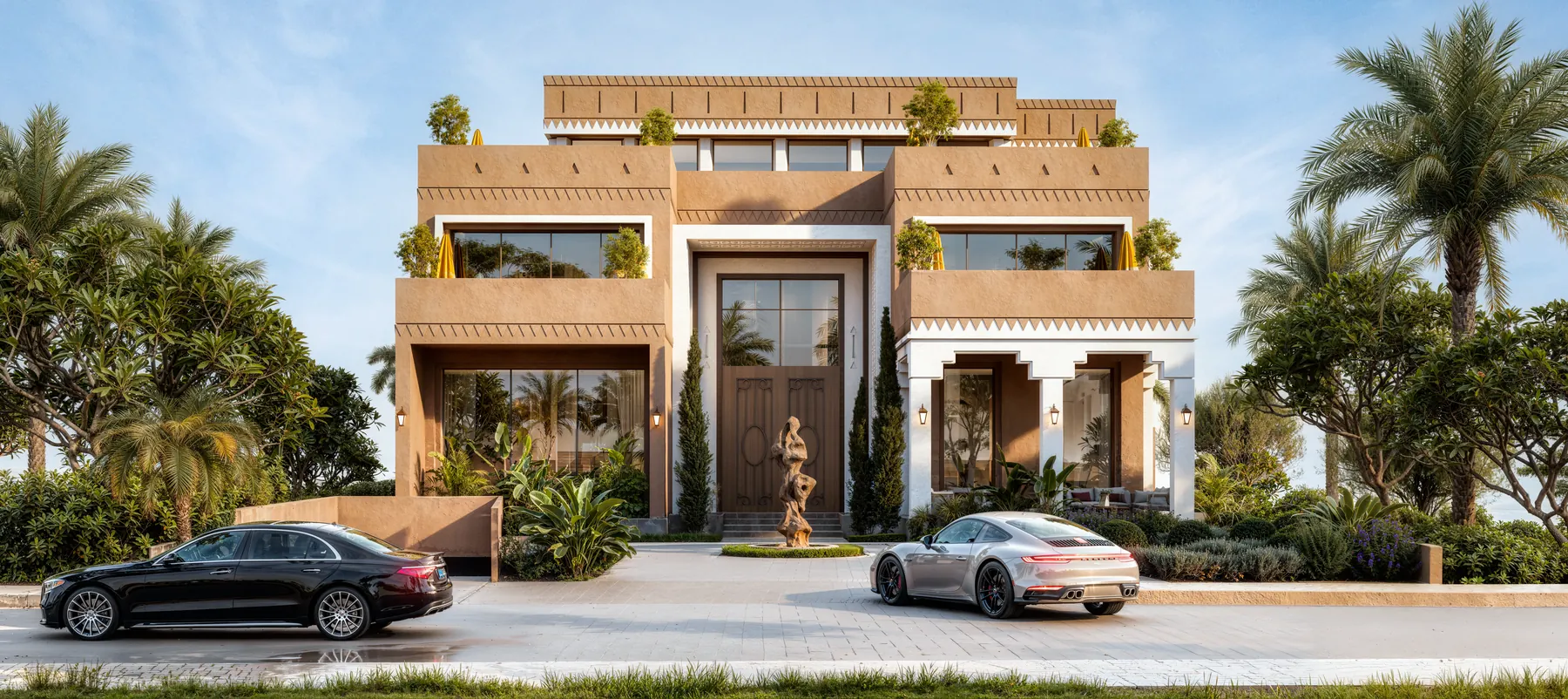
Orientation and shade. Large west-facing glass heats a home through the afternoon. North-facing living rooms, deep balconies, screens, shaded courtyards and roof terraces with pergolas keep it cooler. A south-facing garden needs shade trees or a canopy to be usable from May.
Cooling. Find out whether the system is central or split units, its age and capacity, who maintains it and how easy the filters are to reach. In a new home, run every unit at handover and check that each room reaches the set temperature.
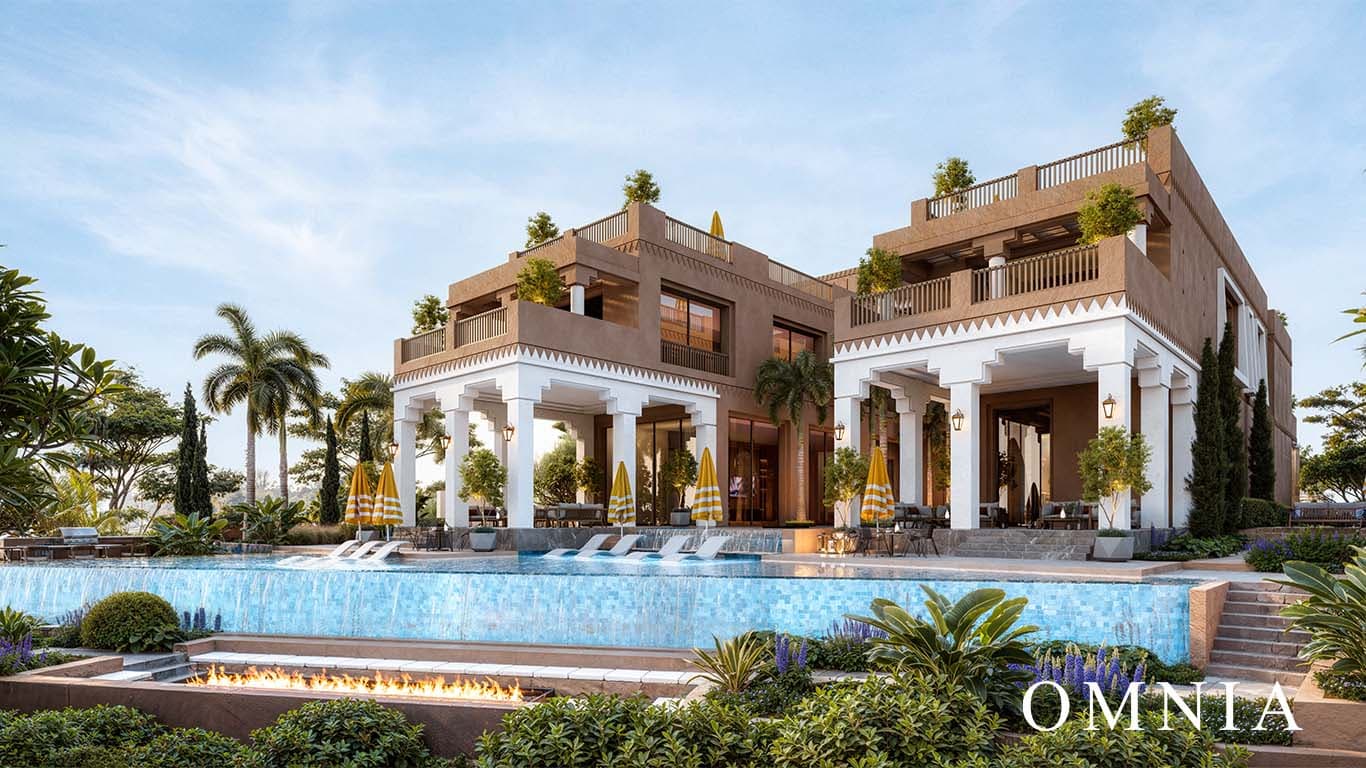
Pools and outdoor space. A roof terrace or garden is used from November to April. A pool earns its keep for more of the year if it is shaded, and in high summer it needs shade more than heating.
Humidity and salt in Jeddah. Sea air and humidity wear on balcony rails, window frames and outdoor air-conditioning units. Check for corrosion and for damp in older buildings, and ask what finishes a new tower uses on its sea-facing side.
Dust and rain. Well-sealed windows and doors keep dust out. Riyadh's rare downpours test roofs and drains, so look at the falls on terraces and the drainage in the street.
What to ask the developer. Before you reserve an off-plan home, ask for four documents: the insulation specification for walls and roof, the glazing specification, the air-conditioning schedule with the capacity for each room, and the warranty and maintenance terms for the cooling. A developer who builds well hands them over without fuss, and they tell you more about summer in that home than any brochure.
Running costs through the year
Cooling drives the electricity bill. From 1 January 2027 home electricity costs 21 halalas a kWh up to 6,000 kWh a month, plus a fixed SAR 70 to SAR 100 a month by circuit breaker, plus VAT. As a worked example, assume a villa uses 4,000 kWh in August and 1,500 kWh in January, with a 100 to 199 amp breaker at SAR 80:
| Month | Use (assumption) | Energy | Fixed charge | With 15% VAT |
|---|---|---|---|---|
| August | 4,000 kWh | SAR 840 | SAR 80 | SAR 1,058 |
| January | 1,500 kWh | SAR 315 | SAR 80 | SAR 454 |
The gap between the two is what good insulation and shade narrow. The cost of living guide puts power and water in a full household budget, and the running cost calculator gives the yearly cost of a home you own.
Planning the year as an owner
- Viewings and purchases. Plan trips for November to March, when you can walk a district at midday. The visiting guide covers visas.
- Handover. A summer handover is a real test of the cooling: note every fault on your snagging list.
- Empty months. If the home stands empty over the summer, have someone run the air-conditioning, check the water tanks and clear dust from terraces and drains. Regulations approved on 13 May 2026 also allow a fee on buildings left vacant in areas designated by ministerial decision, so letting the home, or using it, has a second benefit.
- Letting. Set out in the lease who maintains the cooling and who pays the electricity.
For life on the coast, see our Jeddah guide; for the districts, the Riyadh and Jeddah area guides.
The home
Your own yearly costs
Letting
Yearly cost of keeping it
SAR 10,400
About SAR 870 a month, let or empty.
Share of the price
0.52%
Each year, before any rent.
Per sqm a year
SAR 87
All costs, on the built-up area.
- Service chargeSAR 87 per sqm a year on 120 sqm
- SAR 10,440
- InsuranceYour figure
- SAR 0
- Electricity, water and internetYour figure, including the meter charge while empty
- SAR 0
- Care and repairsYour figure: inspections, cleaning, air-conditioning service
- SAR 0
- Reserve for replacementsYour figure: furniture and appliances
- SAR 0
- Annual property taxNone on a home you live in or let; an empty building in a designated area can attract the vacant property fee
- None
- Running costs a year
- SAR 10,440
In short
Budget SAR 10,400 a year to keep the home, before any rent.
There is no annual property tax on a home you own and live in or let. The White Land and Vacant Property Tax falls on undeveloped plots and, in areas designated by ministerial decree, on vacant buildings, so a home left empty there can attract a fee. An estimate from your figures, not tax advice: see property costs and taxes.
Sources for these figures
- PwC Worldwide Tax Summaries, Saudi Arabia, individual: other taxes, last reviewed 29 July 2026
- King & Spalding, implementing regulations for white land fees and vacant property fees, 4 June 2026
- Law of Ownership, Subdivision and Management of Real Estate Units, Royal Decree M/85, Articles 12 and 26 (REGA)
- Ministry of Municipalities and Housing, Mullak owners programme, 8 June 2026
- MEED, Saudi Arabia raises electricity tariffs from 1 January 2027, 26 October 2026
- Saudi Gazette via Zawya, revised electricity, water and wastewater tariffs from 1 January 2027, October 2026
- ZATCA, General Guideline for Withholding Tax, second version, May 2026 (rent 5%)
- PwC Worldwide Tax Summaries, Saudi Arabia, individual: taxes on personal income, last reviewed 29 July 2026
Talk it through
Ask for a building's actual service charge and the owners' association's last budget before you commit.
Send me these running costs
Your yearly costs by email, line by line, with an adviser to check them against a building's published charges.