Jeddah at a glance
Jeddah is the Kingdom's second city and its gateway on the Red Sea: 3,751,722 people at the 2022 census, 11.6% of the national population. Jeddah Islamic Port is the largest of the Kingdom's Red Sea ports, and the city has long been the arrival point for pilgrims to Makkah. It feels different from Riyadh: older, and turned towards the sea. Summers are hot and humid, with average highs of 39.4°C in July; winters are warm, around 29°C by day and 18°C at night in January, so outdoor life runs from November to March.
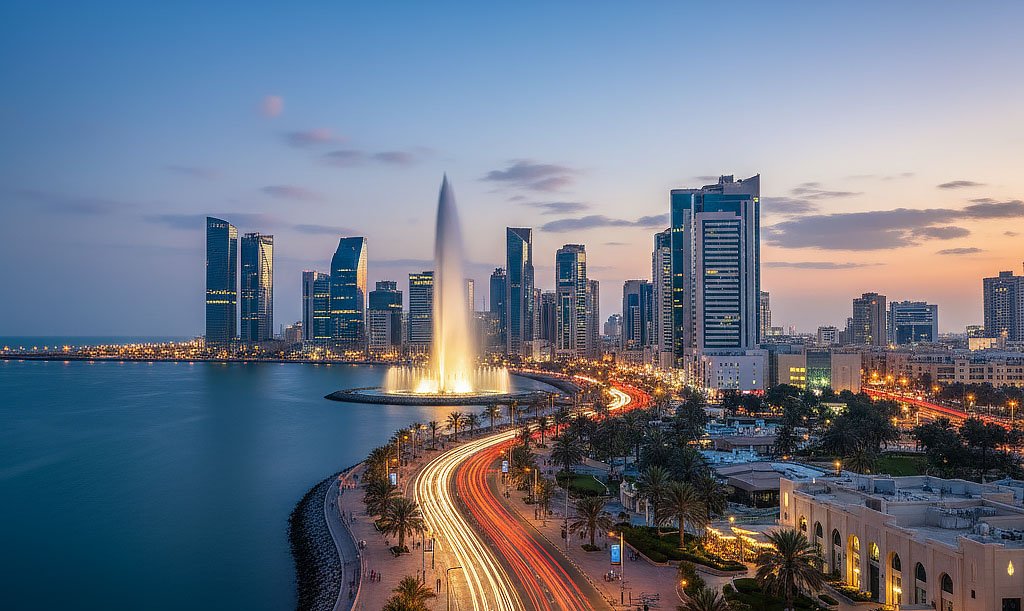
The Corniche and the Red Sea
The Corniche runs along the coast for kilometres and is where the city goes in the evening. Its rebuilt waterfront section, more than 4 km long and 730,000 sqm, opened in November 2017 at a cost of SAR 800 million. Further north, the Obhur creek is lined with villas and chalets on private plots by the water, and Knight Frank points to The Cove, a newer scheme built around a 1 km strip of beachfront. In summer, Jeddah Season runs about 90 days of events; in 2025 it included a coastal zone in Obhur with women-only beaches.
North of the city, Jeddah Tower had reached 120 floors and about 482 m by 2 November 2026, with completion forecast for 2028. In the centre, Jeddah Central is rebuilding the waterfront north of Al Salam Palace with an opera house, a stadium, a marina and the Kingdom's first Atlantis and One&Only resorts.
Al Balad, the old town
Al Balad, Historic Jeddah, has been on UNESCO's World Heritage List since 2014 and covers 2.5 sq km along the Red Sea: historic houses, mosques, markets and squares within the old city wall and its gates. The Jeddah Historic District Program restores its buildings, streets and markets and records its crafts and traditions. Al Hamra, on the old Corniche, is about 8 minutes by car.
Where to live in Jeddah: the districts
Most new homes are now in the north and centre: Knight Frank notes that demolition in the south has moved demand towards northern and central districts.
| District | Character | For daily life | What we sell |
|---|---|---|---|
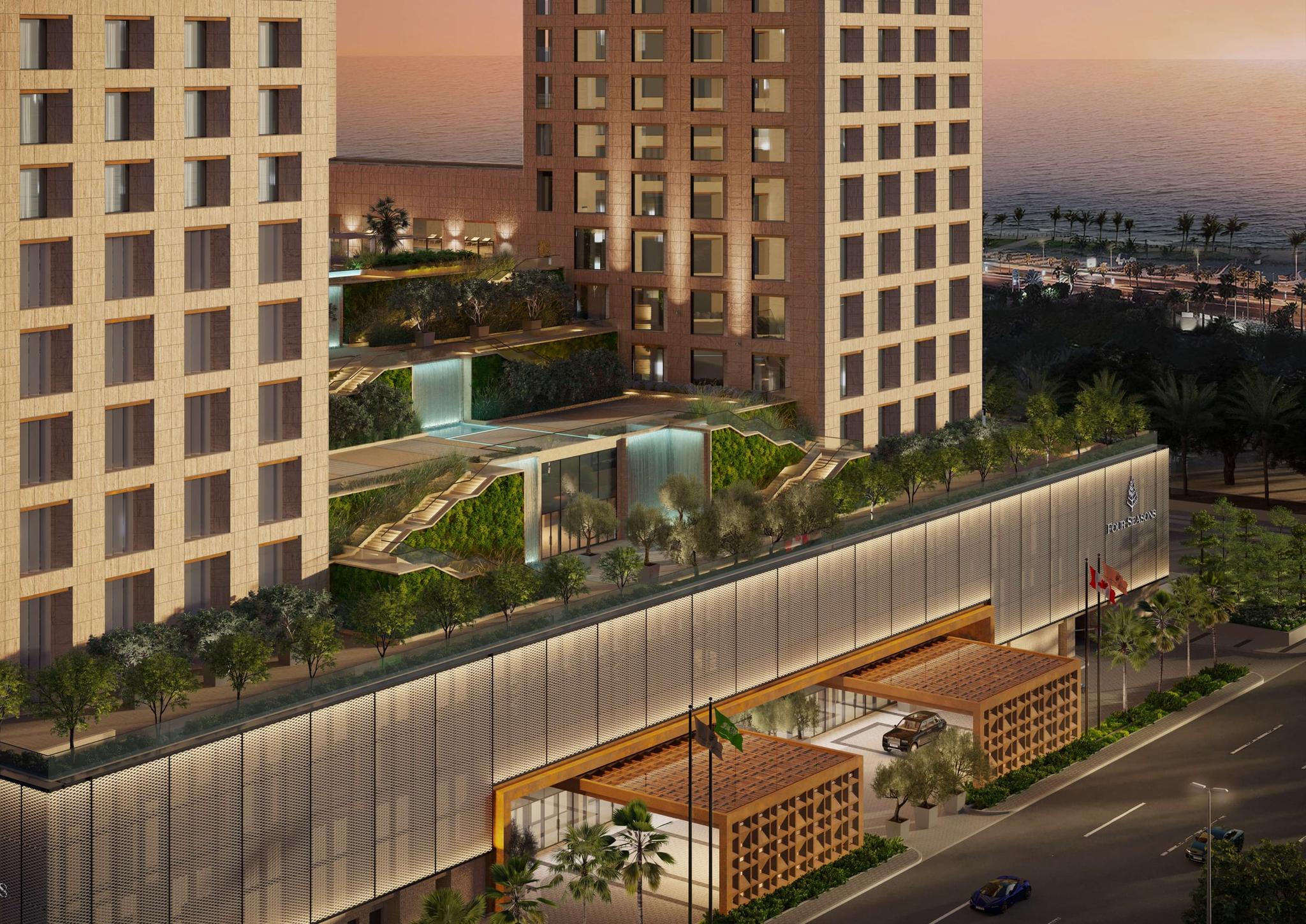
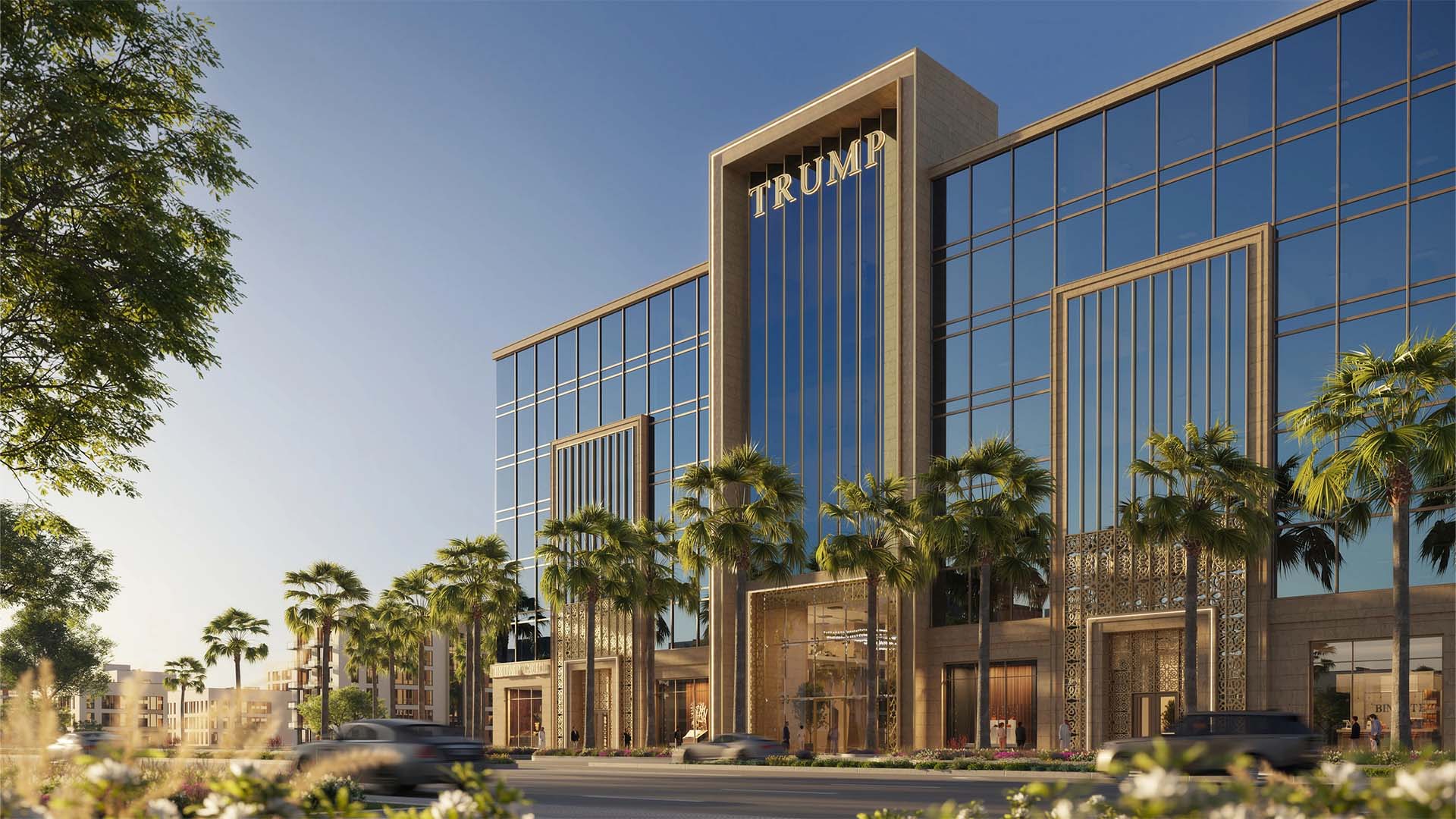
| Al Shati | Behind the north Corniche, from the waterfront to the yacht club | Villas averaged SAR 9,250 per sqm in 2025, second only to Al Murjan | Four Seasons Private Residences, Trump Tower Jeddah |
| Jeddah Central | The new central waterfront | Resort, marina and cultural district | Atlantis Residences, One&Only Private Homes |
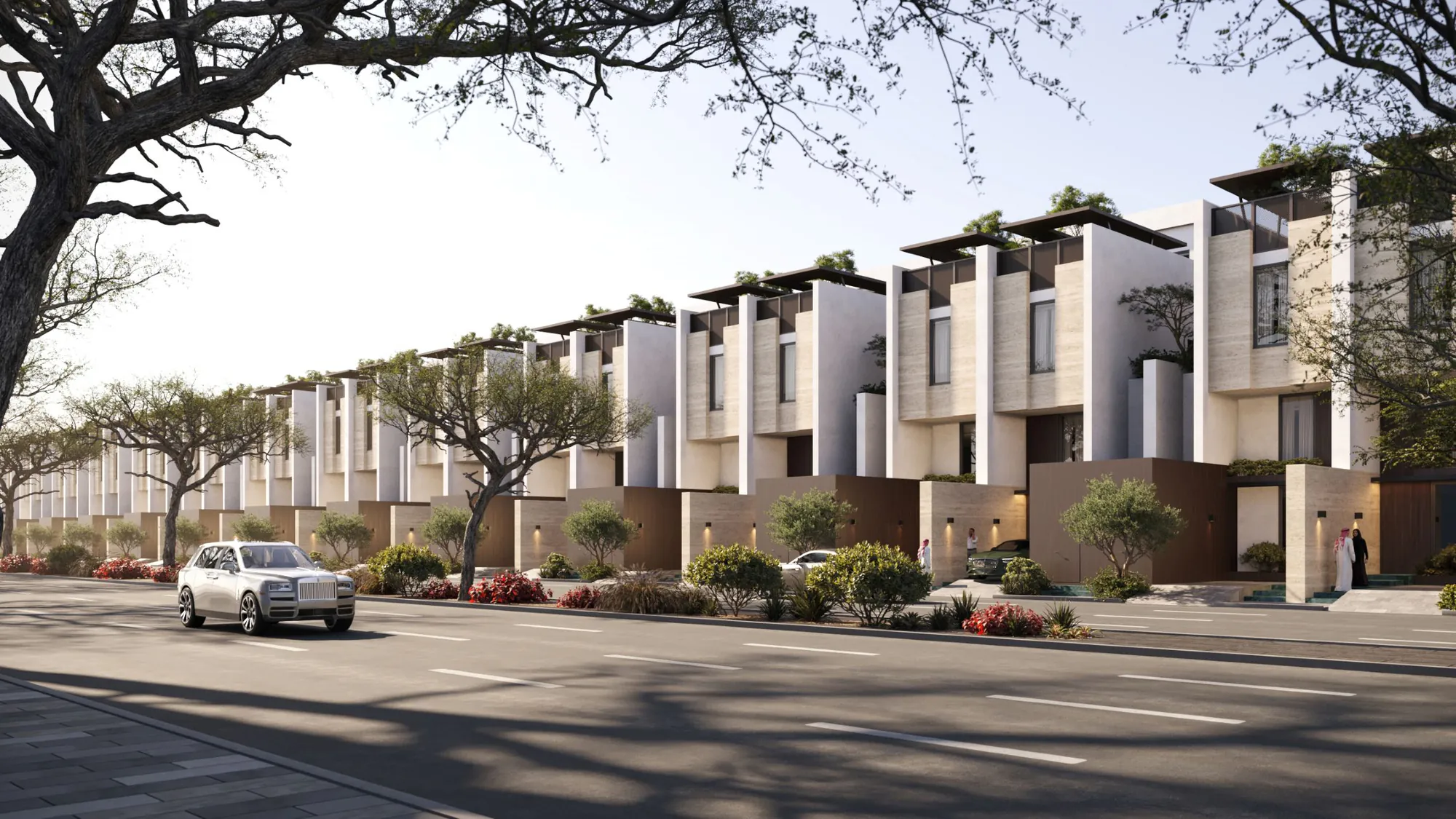
| Al Muhammadiyah | Family district of north Jeddah | British International School; Al Habib's Al Muhammadiyah hospital | Al Basateen Villas |
| Al Nahdah | On King Abdulaziz Road, opposite Red Sea Mall | About 8 minutes from the Corniche | Amaya, Trump Plaza, Padel Living |
| Al Salamah | Established inland district, the city's busiest resale market | About 20 minutes from the airport | Asala Residence Al Salamah |
| Obhur | Beach and creek district in the far north | South Obhur apartments averaged SAR 6,220 per sqm in 2025 | Villas and chalets by the water |
| Sadayem | The National Housing Company's planned suburb in north Obhur | Green walkways and parks | Eyal Sadayem |
| Al Falah | North-east, beside King Abdullah Sports City | New apartments from SAR 266,799 | Khayala |
| Al Hamra | Central, on the old Corniche near King Fahd's Fountain | Dr Soliman Fakeeh Hospital | Resale homes |
Al Zahra, the inland district of Saudi German Hospital, had the city's highest apartment prices in 2025, at SAR 6,310 per sqm.
Choosing a district in Jeddah: what we look at
Three questions settle most choices. Sea or school: the Corniche districts give you the water, the inland districts of the north the shorter school run, and in the evening traffic you rarely get both. New or settled: Sadayem, Al Falah and the Amaya district in Al Nahdah are new communities still being built, while Al Salamah, Al Hamra and Al Muhammadiyah are established, with shops and mosques in place. Tower or villa: a branded apartment on the Corniche comes with hotel services and a sea view; a villa inland gives space, a garden and a driver's room. We take clients through all three before we show a single floor plan.
Jeddah property prices and rents
Knight Frank put Jeddah apartments at an average of SAR 4,288 per sqm in 2025, up 2%, and villas at SAR 4,975, with Al Murjan villas at SAR 10,950 and Al Shati at SAR 9,250. Cavendish Maxwell measured apartments at about SAR 4,400 per sqm and villas at SAR 5,200 in the first quarter of 2026. JLL found apartment sale prices up 13.8% in the year to the third quarter of 2026, on 25.8% fewer sales; the firms measure different periods and samples.
Rents are not frozen in Jeddah: Riyadh's five-year freeze applies within Riyadh's urban boundary only. Cavendish Maxwell found apartment rents up 2.7% and villa rents up nearly 1% in the year to the first quarter of 2026, so read the rent-rise clause in any Jeddah lease. For those who rent first, the city has 98 residential compounds, 19 of them Western; the compounds guide explains how they work.
Schools in Jeddah
The established international schools include the British International School of Jeddah in Al Muhammadiyah, the American International School of Jeddah, Jeddah Prep and Grammar School in Al Naim, Jeddah Knowledge International School and the English Section of the Pakistan International School. For 2026-27 the British school charges SAR 29,163 to SAR 105,239 a year and the American school SAR 40,250 to SAR 105,110 for non-Saudi pupils, VAT included, with an entrance fee of SAR 17,250 at the British school and registration of SAR 10,000 at the American. Our schools guide has every fee and the admissions calendar.
Hospitals and healthcare in Jeddah
Knight Frank finds Jeddah's hospital provision heavily weighted towards the private sector, reflecting its larger expatriate population. Dr Soliman Fakeeh Hospital, founded in 1978 with 475 beds, was the first private hospital in the Kingdom accredited by Joint Commission International, in 2006, and runs medical centres in Obhur, Al Basateen and Al Nuzha. Saudi German Hospital on Batterjee Street in Al Zahra opened in 1988 with 218 beds. The Dr Sulaiman Al Habib group runs hospitals in Al Muhammadiyah and Al Fayha, and King Faisal Specialist Hospital and Research Centre has a Jeddah site for referred cases. The healthcare guide explains insurance.
Getting around Jeddah
Jeddah has no metro yet. A design tender for the first line, from the airport to the Haramain station, went out in January 2026. The bus network was rebuilt from April 2025 and now runs 16 routes, including one from the Corniche to Prince Faisal bin Fahd Road, but most residents drive or use ride-hailing, so the district you choose sets the school run. The Haramain high-speed railway reaches Makkah in just under an hour from Al Sulaimaniyah station and Madinah in about two hours from the airport station. King Abdulaziz International Airport handled 53.4 million passengers and 310,000 flights in 2025. The getting around guide has the detail.
Buying a home in Jeddah as a foreigner
Non-Saudis can own inside the designated zones, which cover large parts of the city, and a legal resident may also own one home for personal use outside them. When a non-Saudi owner later sells or otherwise disposes of a property in the Jeddah zones, the Real Estate General Authority charges a fee of 2% of the value: a cost when you sell, not when you buy.
Our Jeddah area guide maps the districts, Al Shati or Obhur compares the two seaside choices, and Riyadh or Jeddah the two cities. Everything for sale is on property in Jeddah, and the branded homes on the Corniche are compared in our Jeddah branded residences guide.
What matters to you
Narrow it down
Find your part of the Kingdom
Choose what matters, and your shortlist appears here.
Mark at least one thing as nice to have or essential. We rank 33 areas across 5 cities against it and show the closest three.
What you will see
- Each area scored from 0 to 5 on ten things, from schools to the waterfront
- Entry prices per square metre for each area
- Drive time to the nearest airport