Two routes, decided by your passport
The first question for a buyer in the UAE is nationality, because GCC nationals and other UAE residents buy under different rules.
| You are | The rules that apply | Where you can buy |
|---|---|---|
| An Emirati citizen | The GCC rules on property ownership, preserved by Article 5 of the 2026 law | As a Saudi would, for housing or investment |
| A UAE resident of another nationality | The Non-Saudi Real Estate Ownership Law | Inside the designated zones |
| Either, and also living in Saudi Arabia legally | As above; a non-GCC resident of the Kingdom may also own one home to live in outside the zones | Not in Makkah or Madinah for that one home |
Tell us which passport you hold before anything else, and we confirm the route, the documents and the fees for your purchase in writing.
GCC nationals
Citizens of the six GCC states have long had their own right to own property in Saudi Arabia. Law firm A&O Shearman, writing in July 2026, summarises the GCC rules as treating GCC individuals and companies like Saudi persons when they own property for housing or investment. Article 5 of the 2026 law says it does not affect those rules, and Deloitte's briefing on the regulations says GCC nationals are unaffected by the new regime. See GCC national for the term.
Two points need care:
- Makkah and Madinah. The 2026 law repealed the article of the GCC rules that had kept the two holy cities out of GCC nationals' rights, so a Muslim GCC national is expected to own there on the same terms as a Saudi. In July 2026 the GCC rules had not yet been amended to match, so confirm the position for a specific property before you reserve.
- Fees on a sale. The 2% fee the Real Estate General Authority charges when a non-Saudi sells a property is set under the non-Saudi law. Ask us to confirm in writing whether it would apply to you as a GCC national when you sell.
UAE residents of other nationalities
If you live in Dubai or Abu Dhabi on a UAE residence visa and hold, say, a British, Indian or Egyptian passport, you buy as any other non-Saudi under the law in force since 22 January 2026. The Council of Ministers approved the implementing regulations and the zones on 23 June 2026. Living in the UAE does not count as living in the Kingdom, so you can buy inside the designated zones only, and the right to one home outside the zones belongs to legal residents of Saudi Arabia.
You need three things in your own name before you apply: a Saudi digital identity, issued under Ministry of Interior rules and started through a Saudi embassy or consulate; a Saudi bank account; and a Saudi mobile number linked to that identity. Each purchase runs through REGA's Saudi Properties platform and is valid only once it is recorded in the Saudi Real Estate Registry. In Makkah and Madinah, Muslim individuals may own residential property inside the designated zones, and Saudi companies may own there for their business and to house their staff. Our foreign ownership guide sets out the rules in full.
Getting there
Visit Saudi, the official tourism portal, says GCC nationals need no visa and can travel with a national ID card or passport. UAE residents of other nationalities can apply for the GCC resident eVisa: you need a GCC residence permit valid for at least three months beyond your entry and a passport valid for six months. The fee is SAR 339.44, medical insurance is extra, and a multiple-entry visa allows stays of up to 90 days at a time for a year. Your own nationality may also qualify for the standard eVisa.
Dubai to Riyadh is about 2 hours 25 minutes non-stop, with six airlines on the route. That matters on a home handed over shell and core, where you or your designer will be on site several times to brief, inspect and sign off the fit-out.
Paying from dirhams
The dirham has been pegged at AED 3.6725 to the US dollar since 1997, and the Saudi Central Bank keeps the riyal at SAR 3.75. While both pegs hold, a riyal price converts to a stable dirham amount, and the cost of each instalment hardly moves between booking and handover. Compare your bank's margin and transfer fees, send from an account in your own name, and keep the evidence of where the money came from. Our guide to sending money to Saudi Arabia covers the Saudi account and the project escrow account.
What the purchase costs
There is no annual property tax on a home you live in or let. The costs of buying fall when the property changes hands.
| Cost | Rate | What to know |
|---|---|---|
| Real Estate Transaction Tax | 5% of the value | The law makes the seller liable; the contract can pass it to you |
| Registry transfer fee | SAR 1,600 | Confirm on the registry platform before you apply |
| Brokerage | 2.5% unless agreed otherwise | On new developments sold through Omnia, the developer pays us |
When you sell. When a non-Saudi owner disposes of a property (sells it or otherwise transfers it) in the zones of Riyadh, Jeddah, Makkah or Madinah, the Real Estate General Authority charges a fee of 2% of the value (the law allows up to 5%). It is a cost when you sell, not when you buy, and some transfers, such as estate distributions, are exempt. See property costs and taxes.
The price and the place
The contract
Your own costs
Total cost of buying
SAR 151,600
An estimate: 5.1% of the agreed price, paid on top of it.
- Real Estate Transaction Tax5% of the price, paid by you
- SAR 150,000
- Title registrationReal Estate Registry transfer fee. Confirm it on the registry's platform
- SAR 1,600
- Price plus costs
- SAR 3,151,600
In short
Plan for SAR 3,151,600 in all: the price, plus 5.1% in buying costs.
When you sell
As a non-Saudi owner in this city you pay the Real Estate General Authority 2% of the value when you sell: about SAR 60,000 at today's price. It is a cost of selling, not of buying, so it is not in the total.
Rates checked on 15 November 2026. The tax is charged on the price or the fair market value, whichever is higher, and is paid before the transfer is notarised. The registration fee is the figure one law firm gives for the Real Estate Registry. There is no annual property tax on a home you live in or let. An estimate, not a quotation: property costs and taxes explained.
Sources for these figures
- ZATCA, Detailed Guideline for Real Estate Transaction Tax, version 6, May 2026
- ZATCA, Guideline for the Real Estate Sector under VAT, issue 3.0, May 2026
- Real Estate Brokerage Law, Royal Decree M/130, Article 14 (REGA, Bureau of Experts translation)
- Trowers & Hamlins, Saudi Arabia real estate transactions: taxes and fees, 21 July 2026
- PwC Worldwide Tax Summaries, Saudi Arabia, individual: other taxes, last reviewed 29 July 2026
- Amlak, REGA spokesperson on the 2% fee on disposals by non-Saudis, 8 July 2026
Send me this breakdown
Your figures by email, and an adviser to check them against the contract of a real development.
Email me the breakdown
Tax
The UAE levies no personal income tax, and Saudi Arabia has no individual income tax scheme and no inheritance tax. The UAE and Saudi Arabia signed a double taxation agreement in May 2018, the first between two GCC states, and it came into effect in April 2019. If you live in the UAE but remain tax resident in another country, that country may tax the rent or a gain, so take advice there before you buy.
Where UAE buyers look
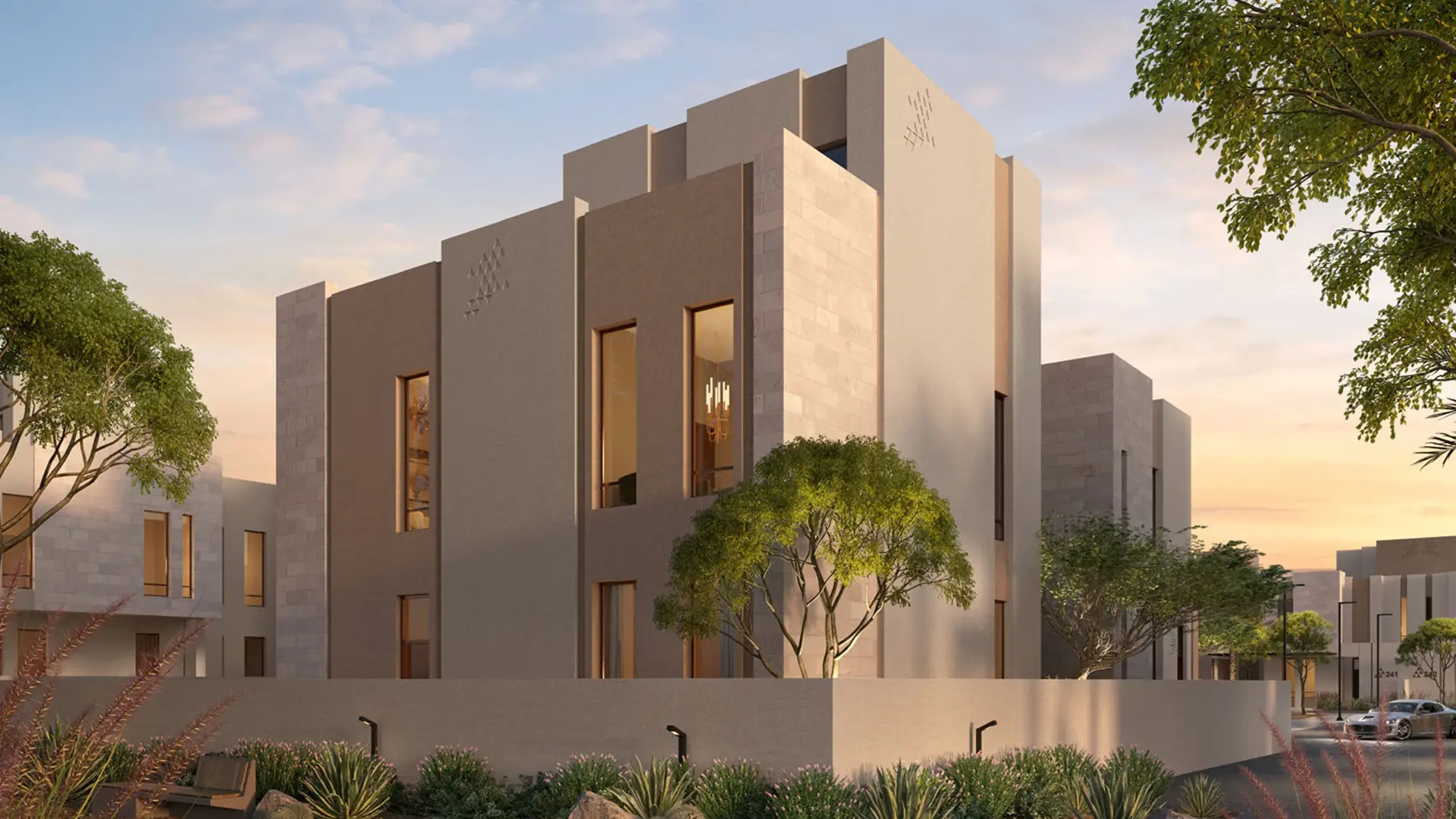
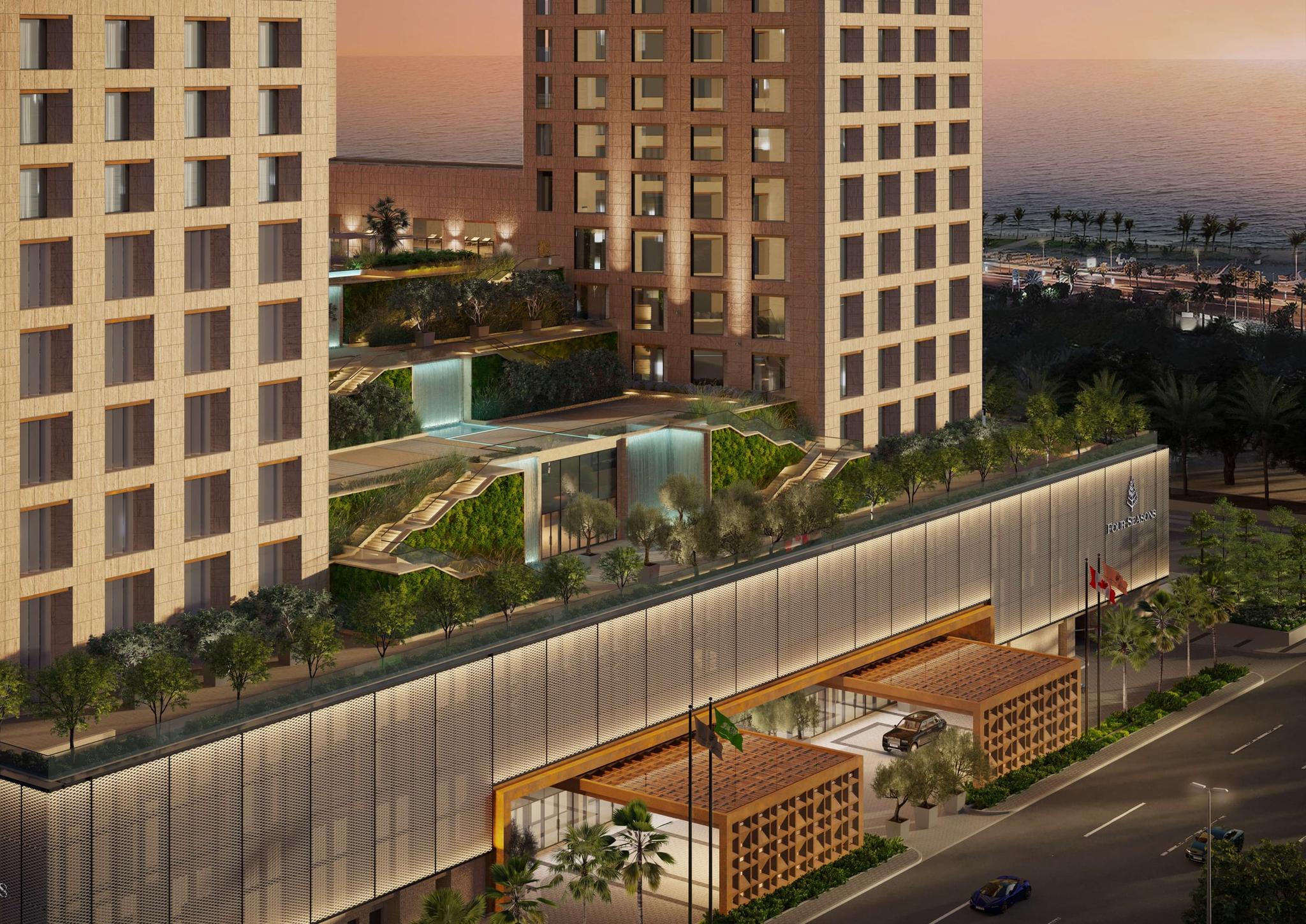
Riyadh is the capital and the centre of business. Families wanting space look at the gated mansion enclaves of Wadi Safar, beside Diriyah, such as Rayana Mansions, sold by Dar Global to buyers of all nationalities on a plan of 20% on booking, 70% during construction and 10% on handover in Q4 2029. Jeddah suits a buyer who wants the Red Sea and easy access to Makkah, from Four Seasons Private Residences Jeddah on the Corniche to villas in the north.
Owning a home does not give a non-GCC buyer residence. The Premium Residency real estate owner route asks for a residential property worth at least SAR 4 million, free of any mortgage, and an off-plan home from a developer approved by the Real Estate General Authority can qualify once at least SAR 1 million or 10% of the price is paid. Values and rents can fall as well as rise, so ask us for comparable evidence on the specific home.