
Lifestyle & living in
Saudi Arabia
A practical, factual guide for international buyers and relocators on how daily life works, how to choose the right city and neighbourhood, and how to shortlist a home that fits your lifestyle and long term plans.
What this page is
A buyer-first view of living well in Saudi Arabia
Most “moving” guides focus on surface-level tips. This one is built around the decisions that actually shape quality of life: where you live, how you commute, what your daily rhythm looks like, and how to balance lifestyle with long-term property value.
Use it as a shortlist framework. If you tell us your priorities, work location, family needs, budget, and lifestyle, we can map you to the best-fit neighbourhoods and developments.
Last updated
December 2025 (reviewed for accuracy and sources)
Time zone
Arabia Standard Time (UTC+3)
Applies across the Kingdom.
Weekend rhythm
Many offices work Sunday to Thursday
Friday and Saturday are widely observed weekend days.
Currency
Saudi riyal (SAR)
Most pricing and contracts are in SAR.
Climate
Hot summers and mild winters in many cities
Outdoor timing and air conditioning planning matter.
Culture
Culture, hospitality, and how daily life works
Saudi Arabia is often described as warm and welcoming. Hospitality is a real part of daily life. Living well is usually about understanding rhythms and expectations: how people socialise, how families plan their week, and how public spaces work.
The lived experience is highly practical. Prayer times can influence how people schedule errands. Ramadan changes the tempo of the day and shifts social life later. And the best quality-of-life upgrade is often simple: choose a neighbourhood that makes your daily routine easier, not just more luxurious.
Social life can be very community-driven: family gatherings, café culture, and active weekend plans. Your building and neighbourhood often shape your network.
The most practical question is when do you work, when do you commute, and when do you like to socialise. Choose your location to reduce friction, especially for school runs and peak traffic.
Week rhythm and seasonal patterns
If you plan around the Kingdom’s rhythms, daily life becomes easier fast.
Schedule errands and viewings with buffer for peak traffic and short prayer breaks.
Expect many social plans to happen in the evenings and on weekends.
During Ramadan, daytime routines can be quieter and evenings more active.
In summer, outdoor time shifts toward early mornings and late evenings.
Practical etiquette that improves your experience
Dress thoughtfully in public settings; more conservative spaces usually expect more formal coverage.
Be mindful with photos. Avoid photographing people without permission, and respect signage in private venues.
Plan around prayer times and peak traffic; it’s a simple habit that reduces stress day to day.
Hospitality matters: a polite greeting and patience go a long way in services and negotiations.
Cities
Choose your city, then your neighbourhood (not the other way around)
Saudi Arabia is not a one-city story. Your best fit depends on your work base, family lifestyle, travel patterns and what you want your weekends to feel like.
Good outcomes usually come from thinking in micro locations. Two homes in the same city can feel like two different countries depending on commute, building quality, parking, and access to daily services.
A simple city and neighbourhood selection framework
Start with daily anchor points such as work, school, family, fitness, and frequent appointments.
Map commute tolerance in minutes, not kilometres.
Choose a community style that fits your life such as compound, mixed-use district, waterfront, or villa suburb.
Validate daily services like groceries, clinics, parks, and weekend activities.
Then compare buildings and developments on management quality, fees, parking, and noise.
Riyadh business energy and year-round momentum
Often preferred for corporate proximity, fast-moving development, and a schedule that revolves around work + commuting efficiency. Choose neighbourhoods that reduce daily travel time.
Jeddah coastal lifestyle with a different pace
A strong fit for buyers who value a coastal feel, diverse dining and social scenes, and a lifestyle-led approach to housing. Prioritise livability, parking, and maintenance quality.
Eastern Province connectivity and family practicality
A practical choice for families and professionals who want strong regional connectivity and a calmer rhythm. Neighbourhood planning and community amenities matter most.
Emerging destinations lifestyle-led second homes
Some buyers prioritise resort-style living and weekend escapes. The key is to be realistic about seasonality, rental rules, and long-term liquidity.
Signals of a good neighbourhood for lifestyle and resale
Multiple demand drivers including jobs, schools, transport, and daily services.
Clear community rules and consistent maintenance in shared areas.
Unit types and layouts that match real demand, not just show units.
Easy access to major roads without being directly on them.
A realistic rental and resale story supported by comparable homes nearby.
Shortcut use area guides + shortlists
If you’re new to the Kingdom, start with our Area Guides to understand neighbourhood character, then ask us for a shortlist that matches your commute, family needs and budget.
Costs
Cost of living a buyer’s budget framework (not guesswork)
A useful budget is not a single number. It’s a set of categories. Housing choice is the biggest lever, and quality-of-life spending typically follows where you live and how you socialise.
Treat housing, schooling, and mobility as the core triangle. If any one of those is wrong, the day-to-day experience feels expensive even if your rent is reasonable.
Hidden costs that surprise newcomers
Service charges and maintenance in managed buildings and communities.
Cooling and electricity during peak summer in some cities.
Private schooling and daily transport if you have children.
Furnishing, setup, and deposits when relocating on a timeline.
Parking and time cost when a commute is longer than expected.
A practical way to budget
Start with housing (rent or purchase) + building fees and realistic utility costs.
Add transport (commute time, parking, and whether you’ll use taxis/ride-hailing).
If you have children: treat schooling as a separate line item, not an afterthought.
Reserve budget for lifestyle: dining, gyms, weekend trips, and memberships.
If you’re testing a city or neighbourhood, renting first can reduce risk. If you buy, prioritise livability and future resale or letting demand, not just finishes.
For families, schooling and commute can dominate the lived experience. Pay for proximity and stability where it matters most for your routine.
Visa & residency
Visa, residency and work what to think about early
Rules and eligibility can vary by individual situation and can change. Instead of relying on hearsay, build your plan around verified requirements and timelines, especially if property is part of a longer-term residency objective.
A practical rule is to separate lifestyle from paperwork. First choose where you want to live based on routine, then confirm the exact residency or visa path, documentation requirements, and banking timelines before you commit to a property.
Key ideas (high-level)
Separate “can I live here” from “should I buy now”: timeline and documentation matter.
If you’re buying, confirm the exact ownership route and how it interacts with your residency plan.
For remote buyers, plan extra time for banking compliance and document handling.
For a structured overview, see the Visa & Residency Guide.
What to decide before you choose a property
Are you relocating now or planning a future move.
Will you need school access, a home office, or specific amenities.
Do you want flexibility to rent first before buying.
If buying, confirm eligibility and the permitted ownership route early.
Plan documentation and banking timelines for your situation.
Featured developments
Homes that match your lifestyle (and still make sense as an asset)
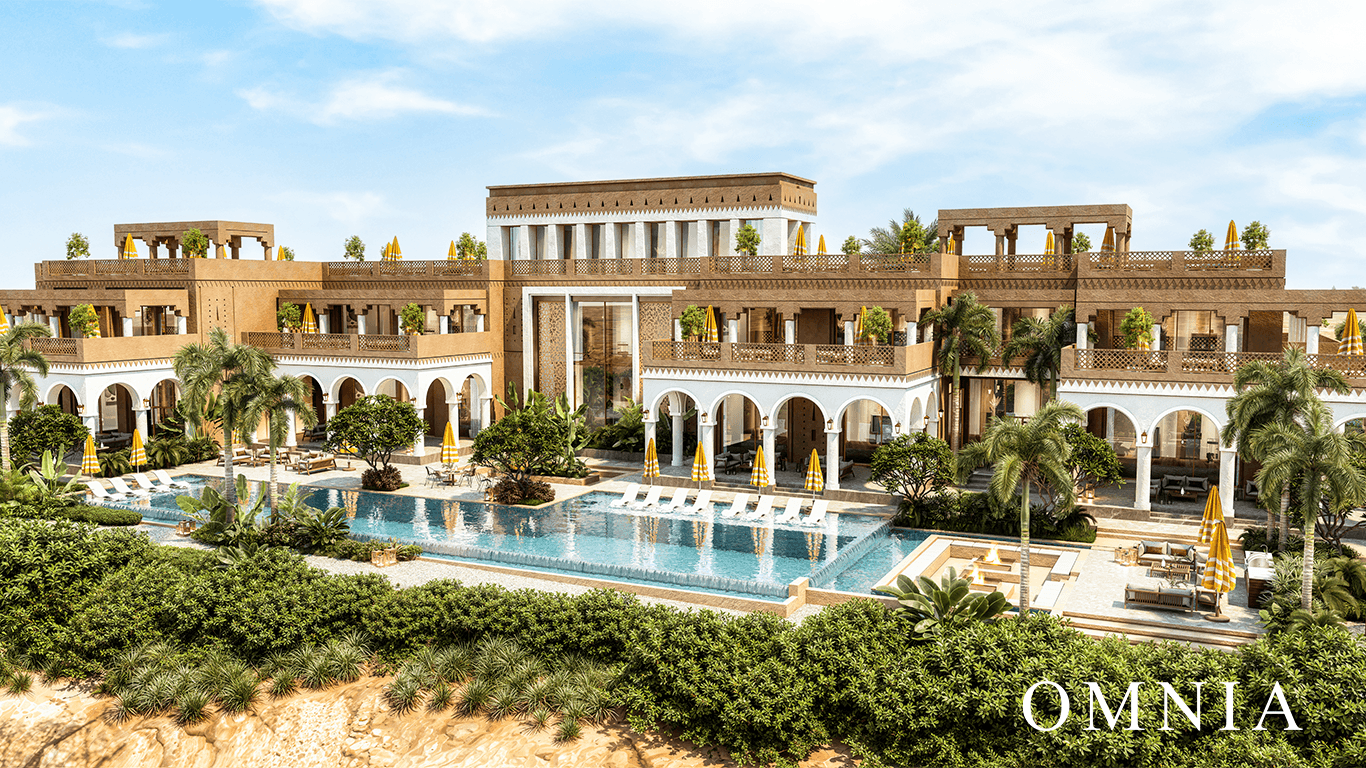
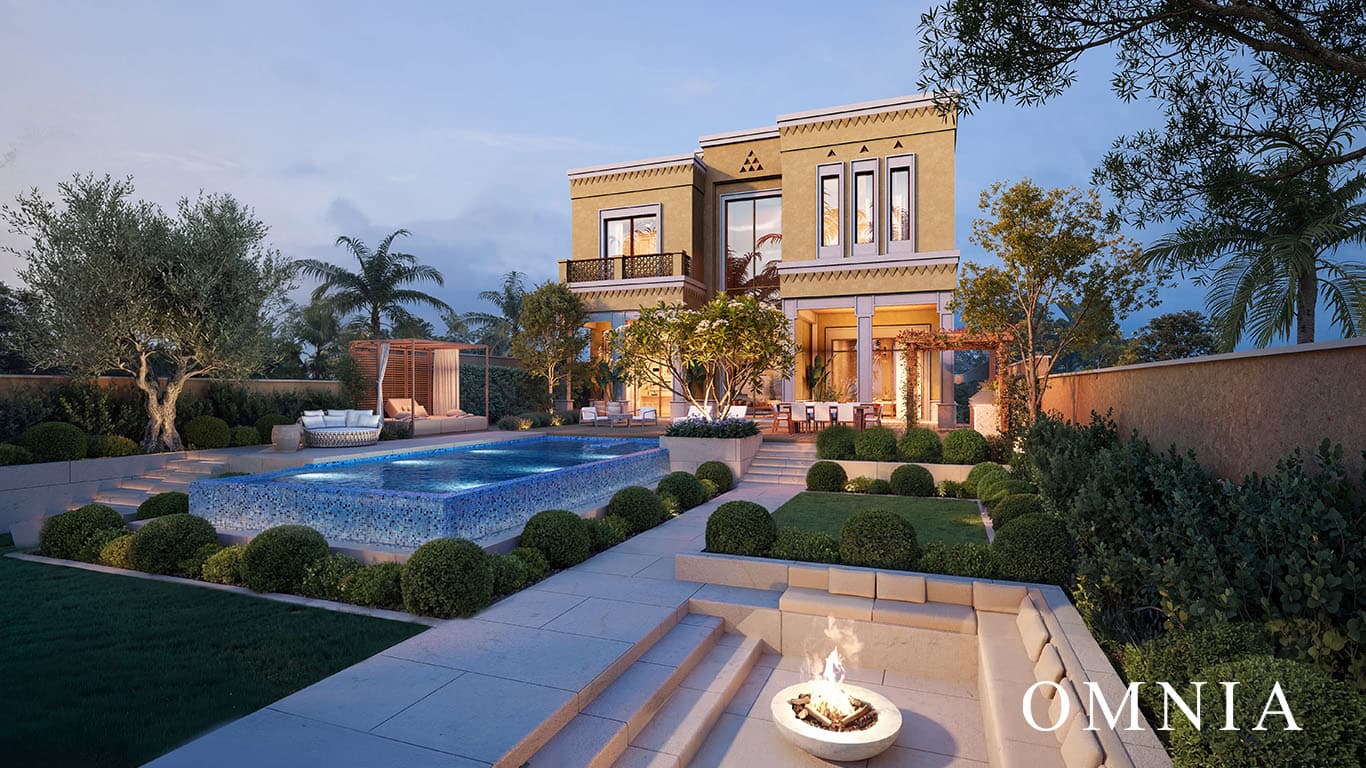
Below are featured developments on our platform. If you want a tighter shortlist, tell us your city, daily routine, and budget and we’ll curate options that fit.




How we help you choose well
Translate lifestyle needs into a neighbourhood shortlist (commute, schools, walkability, community amenities).
Pressure-test the home as an asset (fees, management quality, liquidity and tenant demand).
Compare developments on what matters in real life: layouts, parking, maintenance, rules, and handover specs.
A practical viewing checklist
Check parking, lift performance, and building management responsiveness.
Ask for a clear breakdown of fees and what they include.
Walk or drive the routes you will use at the times you will use them.
Confirm rules on leasing, pets, and alterations if relevant to your plan.
For off-plan, get handover specs in writing and compare them to the contract.
FAQ
Frequently asked questions
Next steps
Want a lifestyle-led shortlist
that converts into a great home?
Tell us your city, commute, family needs, and budget. We’ll curate developments and listings that match how you actually want to live.