Who counts as a foreign buyer in Saudi Arabia
Under the Non-Saudi Real Estate Ownership Law, in force since 22 January 2026, a foreign buyer is any non-Saudi: an individual, a company or a non-profit body. The law does not sort buyers by passport. An American, a Briton, an Indian and an Egyptian stand on the same footing. Four questions decide what you can own:
- Do you live in the Kingdom? Residents have one right that non-residents do not.
- Are you a GCC national? Citizens of the six GCC states keep their own, wider rights.
- Are you buying as a person or through a company? Companies register with the Ministry of Investment first.
- Is the property in Makkah or Madinah? There, only Muslim individuals may own homes.
This guide is the starting point for a buyer from abroad. The law itself, the zones and the penalties are set out in our foreign ownership guide; the steps of a purchase in how to buy property in Saudi Arabia.
How the rules differ for each kind of foreign buyer
| You are | Where you can own | What you need first | Points to note |
|---|---|---|---|
| An individual living abroad, of any non-GCC nationality | Inside the designated zones | A digital identity started at a Saudi embassy or mission, a Saudi bank account and a Saudi mobile number linked to it | Every payment runs through electronic systems approved by the Saudi Central Bank |
| A resident of the Kingdom, on an iqama or Premium Residency | Inside the zones, plus one home to live in outside them, but not in Makkah or Madinah | Your residency number on Saudi Properties; eligibility is checked automatically | A spouse and children under 25 count as dependants for that one home |
| A GCC national | As the GCC rules allow, which treat GCC persons much like Saudis for housing and investment | Your national ID | The 2026 law repealed the GCC rule that excluded Makkah and Madinah; confirm the position for each property |
| A Muslim buyer in Makkah or Madinah | Residential property inside the designated zones of the two cities | As for any resident or non-resident buyer | Non-Muslims cannot own in either city |
| A foreign company | Inside the designated zones | Registration with the Ministry of Investment, a unified number, a representative with a Saudi identity and a Saudi bank account | Transfers of 5% or more of the company must be reported within 15 days |
Ownership follows a map, not a city. Riyadh's named zones include King Abdullah Financial District, Sedra and Diriyah Gate; Jeddah's include Jeddah Central and development zones 1 to 55 across the governorate. Each plot is checked on REGA's map, and we confirm your eligibility in writing before you pay anything. The eligibility checker gives a first answer for your own case.
GCC nationals buying in Saudi Arabia
Article 5 of the 2026 law preserves the ownership rights GCC persons hold under the GCC rules, and law firm A&O Shearman notes that the law also repeals the GCC article that had kept Makkah and Madinah out of those rights. In July 2026 the GCC rules had not yet been amended to match, so a Muslim GCC national buying in either holy city should confirm the position for the specific property. Ask us, too, whether the Real Estate General Authority's 2% fee on a non-Saudi's sale would apply to you. Residents of a GCC state who are not GCC citizens buy as other foreigners do. Our UAE and Qatar guides cover both groups.
Buying in Makkah and Madinah as a Muslim buyer
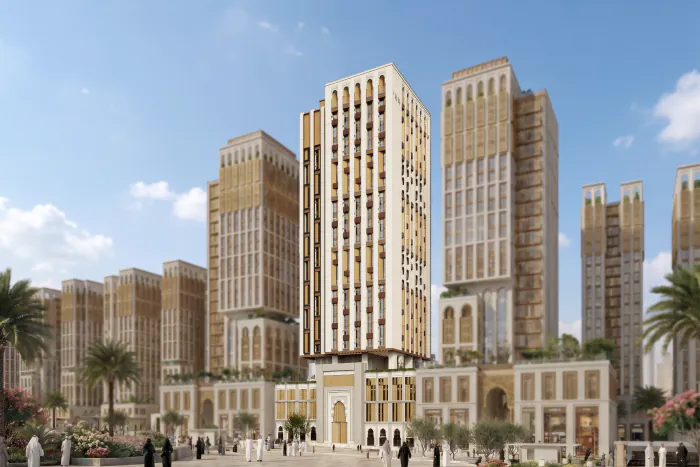
The law opens the two holy cities to Muslim individuals, whether they live in the Kingdom or abroad, inside designated zones. In Makkah these include Abraj Makkah, Jabal Omar, King Salman Gate and Masar; in Madinah, Rua Al Madinah, Darat Al Hijra and Knowledge Economic City. Saudi companies may own there for their business and to house their staff. Foreign companies registered abroad and foreign non-profit bodies may not.
Knight Frank expects the law to bring new demand from international Muslim buyers to the two cities, particularly high-net-worth buyers. Read our guides to Makkah and Madinah before you look at a specific tower.
From first call to keys: the journey for a buyer abroad
- The first call. We ask your nationality, where you live, your budget, the city and what the home is for: to live in, to visit, to let or to support residency. The answers decide which homes you can own.
- Eligibility. We check the plot or unit on REGA's zone map and confirm in writing that you can own it.
- Viewing. Most nationalities in our country guides can apply online for a tourist eVisa; GCC nationals travel with their national ID card. See visiting Saudi Arabia. We arrange site visits by appointment, or a video walkthrough if you cannot travel.
- Identity, bank and phone. Start the digital identity at a Saudi embassy or mission; it is approved by the Ministry of Interior. In July 2026 the Saudi Central Bank told banks to open accounts for buyers under the law on a copy of that identity, a passport copy, an address abroad and a linked Saudi mobile number.
- Reservation. On a new development, pay the reservation into the project's escrow account, never to a person or a broker.
- Checks. The project licence on Wafi, the deed through the Ministry of Justice and, for an apartment, the owners' association. Our due diligence guide lists each check.
- The contract. The price in riyals, who pays the 5% transaction tax, the payment dates, the completion date and the remedies for delay, with the Arabic text read by an independent lawyer.
- Payments. From your Saudi account, through approved electronic channels, on the schedule in the contract.
- Transfer and title. The transaction tax is paid before the transfer. Your purchase is approved on Saudi Properties and recorded in the Real Estate Registry. Through Najiz, a home worth up to SAR 20 million transfers electronically, with the buyer depositing the price in escrow within 10 business days of exchange.
- The keys. Inspect and snag the home, connect electricity and water, and register any lease on Ejar.
You need not fly in for every step. A power of attorney signed before a notary in your country, with an apostille where your country belongs to the Apostille Convention, lets your lawyer sign for you.
What you own
How it is used
Who looks after it
Where you live
Your owner's checklist
9tasks
What owning a Saudi home from abroad asks of you, the way you will own it, and what selling will cost.
While you own
7
Registry, charges, leases and care.
When you sell
2
The tax and the fee on exit.
While you own
- When you buyMake sure the title is registered in your name with the Real Estate General Authority, and keep the deed. Bought from abroad, you need a digital identity approved by the Ministry of Interior, and you pay through electronic systems approved by the Saudi Central Bank.Title deed
- Each yearPay the service charge set by the owners' association. A building with three or more owners must have one; it shares costs by each unit's share of the floor area, and its general assembly votes the budget.
- From 1 January 2027Electricity carries a fixed monthly charge of SAR 70 to SAR 100, by breaker size, as well as the tariff, so an empty home still has a bill.
- Each leaseRegister the lease on Ejar. A lease not recorded there must be registered, leases on Ejar renew automatically unless 60 days' notice is given, and breaches can be fined up to twelve months' rent.Ejar
- In RiyadhWithin Riyadh's urban boundary, rents are frozen for five years from 25 September 2025 at the level then in force.
- When rent is paidA Saudi business paying you rent while you are not resident withholds 5%. Saudi Arabia has no individual income tax scheme, but your home country may tax the rent: ask your own tax adviser.
- Each yearReview the manager's agreement, fees and inspection reports, and make sure every lease the manager signs is on Ejar.
When you sell
- When you sellThe 5% Real Estate Transaction Tax falls on you as the seller by law, unless the contract passes it to the buyer, and is paid before the transfer is notarised.Real Estate Transaction Tax
- When you sell, as a non-SaudiIn the zones of Riyadh, Jeddah, Makkah or Madinah the Real Estate General Authority charges 2% of the value when a non-Saudi owner sells or otherwise disposes of a property. Some transactions, such as estate distributions, are exempt.The non-Saudi disposal fee
The papers
- Keep safeThe title deed, the sale contract, the tax payment receipt and, where you let, every Ejar contract.
- If you will not attendA power of attorney for someone to act for you at the transfer or a sale.Power of attorney
- For your heirsTake legal advice on how your Saudi property passes on death. Dividing an estate among heirs is exempt from the transaction tax.
In short
A yearly let from abroad works with a manager who registers every lease on Ejar and collects rent into a Saudi account.
General guidance on the rules as published, not legal or tax advice. For your own position, take advice from a Saudi lawyer or tax adviser. See selling property in Saudi Arabia.
Sources for these figures
- Law of Real Estate Ownership by Non-Saudis, Royal Decree M/14, Article 9 (REGA)
- Law of Ownership, Subdivision and Management of Real Estate Units, Royal Decree M/85, Articles 12 and 26 (REGA)
- Ministry of Municipalities and Housing, Mullak owners programme, 8 June 2026
- King & Spalding, Saudi Arabia introduces rent controls and automatic lease renewal, 29 September 2025
- King & Spalding, implementing regulations for white land fees and vacant property fees, 4 June 2026
- Saudi Gazette via Zawya, revised electricity, water and wastewater tariffs from 1 January 2027, October 2026
- ZATCA, General Guideline for Withholding Tax, second version, May 2026 (rent 5%)
- ZATCA, Guideline for the Real Estate Sector under VAT, issue 3.0, May 2026
- ZATCA, Detailed Guideline for Real Estate Transaction Tax, version 6, May 2026
- Amlak, REGA spokesperson on the 2% fee on disposals by non-Saudis, 8 July 2026
Talk it through
We can introduce property managers, lawyers and tax advisers in the city you buy in.
Send me this checklist
Your owner's checklist by email, to keep, with an adviser on hand for the local introductions.
Email me the checklist
Paying for Saudi property from abroad
Pay from and to accounts in your own name, and keep the evidence of where the money came from: a sale, savings, a bonus or an inheritance. Banks check large transfers at both ends, and a delay can push back a completion date.
- Currency. The riyal is pegged at SAR 3.75 to the US dollar. Buyers in dollars, or in currencies pegged to it such as the dirham, see little movement between booking and handover; buyers in sterling, euros, rupees or yuan carry exchange risk on every instalment. Dar Global quotes sterling guides but sets contracts in riyals.
- Limits at home. Some countries cap what you may send abroad. Residents of India, for example, remit within the Liberalised Remittance Scheme's yearly limit, so a payment plan may need to be spread or the home bought jointly.
- Borrowing. Residents can borrow from several Saudi banks; buyers living abroad usually pay cash or follow a developer's payment plan. See mortgages for foreigners and sending money to Saudi Arabia.
What a foreign buyer pays in Saudi Arabia
| Charge | Rate | When |
|---|---|---|
| Real Estate Transaction Tax | 5% of the value | On purchase; the law makes the seller liable, and the contract can pass it to the buyer |
| Real Estate Registry transfer fee | SAR 1,600 | On purchase; confirm on the registry platform |
| Brokerage | Up to 2.5% unless agreed otherwise in writing | On a resale; on our new developments the developer pays us |
| REGA fee on a non-Saudi's sale | 2% of the value in the zones of Riyadh, Jeddah, Makkah and Madinah | When you sell or otherwise dispose of the home, not when you buy |
| Withholding tax on rent | 5% of rent paid by a Saudi resident to a non-resident owner | While you let the home; a tax treaty may change it |
There is no annual property tax on a home you own and live in or let, and no individual income tax scheme. The costs and taxes guide covers every fee.
Tax at home on Saudi property
Your home country decides most of the tax on a Saudi home. Take advice there before you buy.
| Country | Tax treaty with Saudi Arabia | What to plan for at home |
|---|---|---|
| United Kingdom | Yes, in force since 1 January 2009 | UK residents normally pay UK tax on overseas rent and gains; a long-term resident's overseas home can fall within inheritance tax |
| United States | No | Citizens are taxed on worldwide income; the Saudi account can trigger an FBAR and Form 8938 |
| Canada | No treaty in force | Worldwide income; Form T1135 above CAD 100,000 of foreign property |
| Australia | No | Worldwide income; rent in the supplementary return, a gain as a capital gain |
| India | Yes, since 1 November 2006 | Residents are taxed on worldwide income and report the home in Schedule FA |
| Pakistan | Yes, since 1 December 2006 | Residents are taxed on worldwide income |
| Egypt | Yes, since 1 July 2017 | Income earned abroad is taxed where your centre of business is in Egypt |
| United Arab Emirates | Yes, in effect since April 2019 | No personal income tax in the UAE |
| Qatar | Yes, applying from 1 January 2026 | Individuals are taxed only on qualifying Qatar-source income |
| France | Yes, since 1 February 1983 | Saudi rent and gains are exempt from French income tax but count to set your rate |
| Germany | No treaty for individuals | Saudi rent is taxed in Germany, as is a gain on a sale within ten years |
| Other European countries | Each state has its own position | Check your own country's treaty list |
| Russia | Yes, since 1 February 2010 | Russia credits Saudi tax against Russian tax |
| China | Yes, since 1 October 2006 | Residents are taxed on worldwide income; rent and gains fall in the 20% category |
| Hong Kong | Yes, since 1 September 2018 | Individuals' capital gains are not taxed in Hong Kong |
| Singapore | Yes, since 1 July 2011 | Foreign-sourced income received by individuals is generally exempt |
Residency and Saudi property
Owning a home gives a non-Saudi no rights beyond those of any other owner, and that includes residence. Residence comes through a separate application:
- Premium Residency, real estate owner route. A residential home worth at least SAR 4 million, free of any mortgage and valued by a Taqeem-accredited valuer. An off-plan home qualifies once at least SAR 1 million or 10% of the price is paid to a developer approved by the Real Estate General Authority. It lasts while you own the home, on the Premium Residency Centre's conditions and fees. See Premium Residency.
- Work residency. An iqama through an employer, which also brings the resident's right to one home outside the zones.
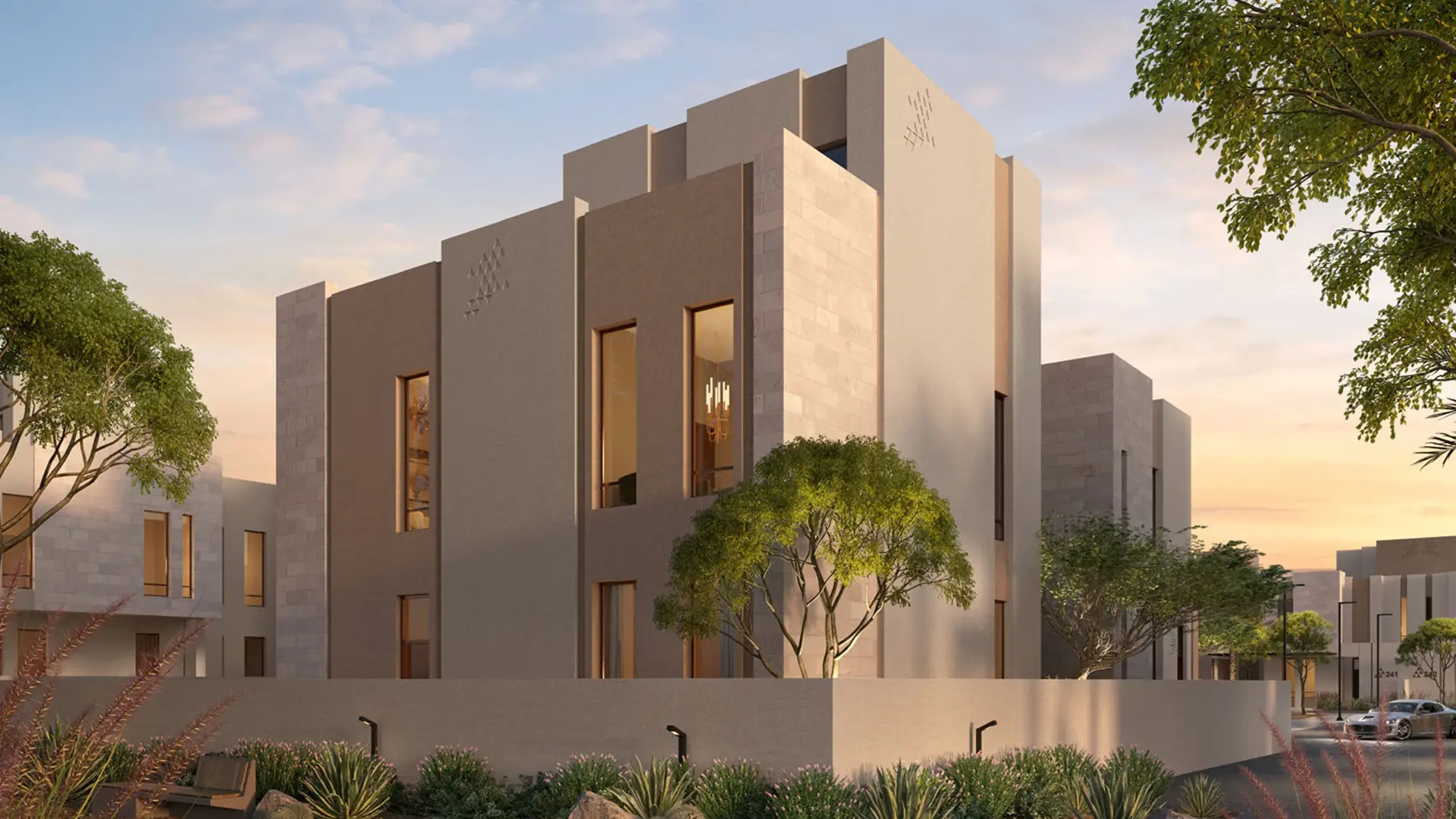
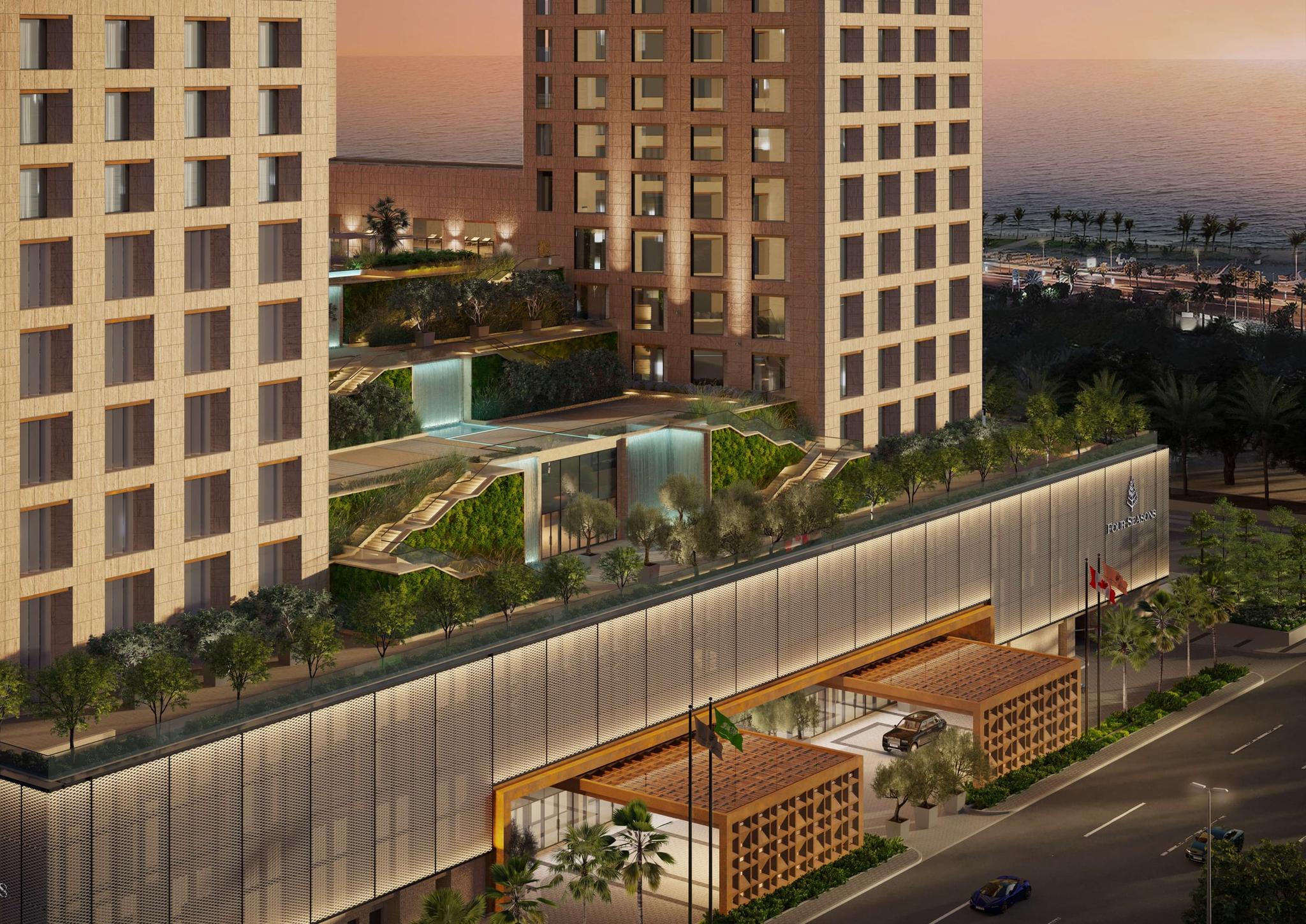
The residency pathfinder matches your case to a route. Every Wadi Safar mansion and every Four Seasons Jeddah home is priced above the SAR 4 million threshold.
Where foreign buyers look first
- Riyadh, for the capital's jobs and regional headquarters: inside the Sedra zone at Kaheel, or among the mansions at Rayana in Wadi Safar, sold to buyers of all nationalities. See Riyadh.
- Jeddah, for the Red Sea: Four Seasons Private Residences and Trump Tower Jeddah on the Corniche, both offered freehold to foreign buyers. See Jeddah.
- Makkah and Madinah, for Muslim buyers who want a home near the Haram.
For the top of the market, read our guides to the luxury property market and golf and waterfront homes.
Country guides for buyers from abroad
Each guide covers entry, money and tax for one country:
- GCC: United Arab Emirates, Qatar
- Europe: United Kingdom, France, Germany, Russia, other European countries
- The Americas: United States, Canada
- Asia and the Pacific: India, Pakistan, China, Hong Kong, Singapore, Australia
- Africa: Egypt
All of them sit under international buyers.