Red Sea Jeddah Property - The Coastal Market Quietly Entering Saudi Arabia’s Investment Mainstream
A detailed financial analysis of Red Sea Jeddah property covering waterfront districts, pricing per square metre, rental yields, supply constraints, and whether Saudi Arabia’s port city is entering a new real estate cycle.
Kate. S
Author
A Coastal City Moving From Regional Housing Market to Strategic Asset Class
Jeddah has always been Saudi Arabia’s commercial gateway to the Red Sea. What has changed is how investors are beginning to interpret its waterfront real estate.
For most of the past half century, property along Jeddah’s coastline functioned primarily as a domestic housing market. Prices reflected local purchasing power, merchant family wealth, and steady population growth rather than international investor flows.
Today, that structure is shifting. Foreign buyer access is gradually expanding, infrastructure investment is reshaping northern districts, and the Red Sea tourism push is raising the strategic importance of the city’s coastline. As a result, Red Sea Jeddah property is moving from a purely regional asset class into one that global investors are beginning to evaluate alongside other emerging coastal markets.
The transition is not complete. But in real estate cycles, the early transition phase is often where long term repricing begins.
Why Jeddah Matters in the Red Sea Economy
Unlike purpose built resort zones, Jeddah is a functioning economic city whose housing demand is anchored by permanent activity rather than visitor numbers alone.
The city hosts:
Saudi Arabia’s largest Red Sea port and a major logistics hub
A metropolitan population exceeding four million residents
The primary international airport serving pilgrims travelling to Makkah
A large concentration of private sector commerce and trading businesses
This combination creates diversified housing demand that supports the property market even when tourism fluctuates.
From an investment perspective, this matters because coastal property markets fall into two categories. Some depend heavily on seasonal visitors. Others are sustained by permanent urban economies. Jeddah belongs firmly in the second group.
Cities with permanent economic gravity tend to experience slower price booms but more durable long term appreciation.
The Geography of Jeddah’s Coastline
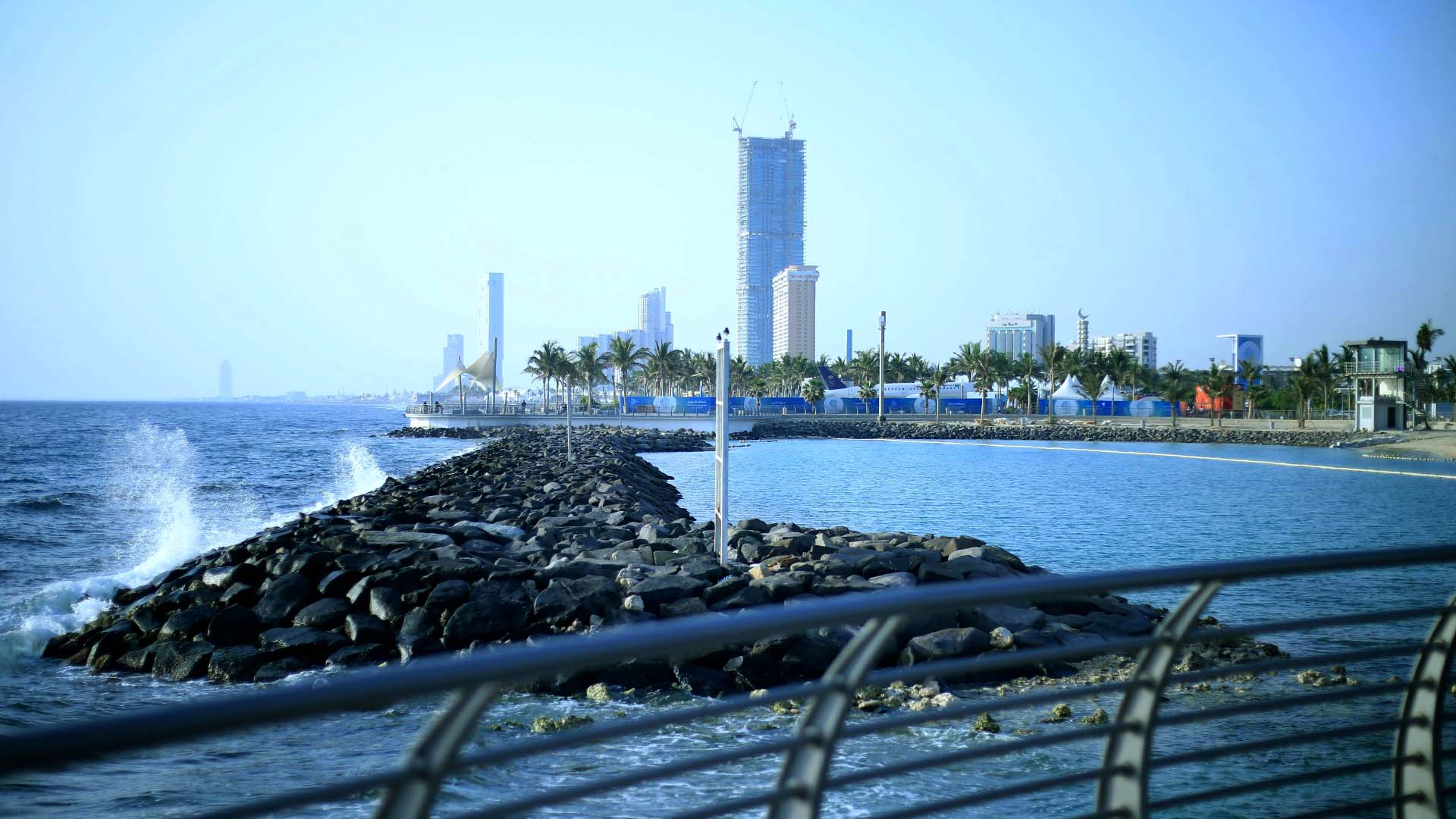
Jeddah stretches along more than seventy kilometres of Red Sea shoreline. Yet the amount of prime residential waterfront is far smaller than this headline figure suggests.
Several structural factors constrain supply:
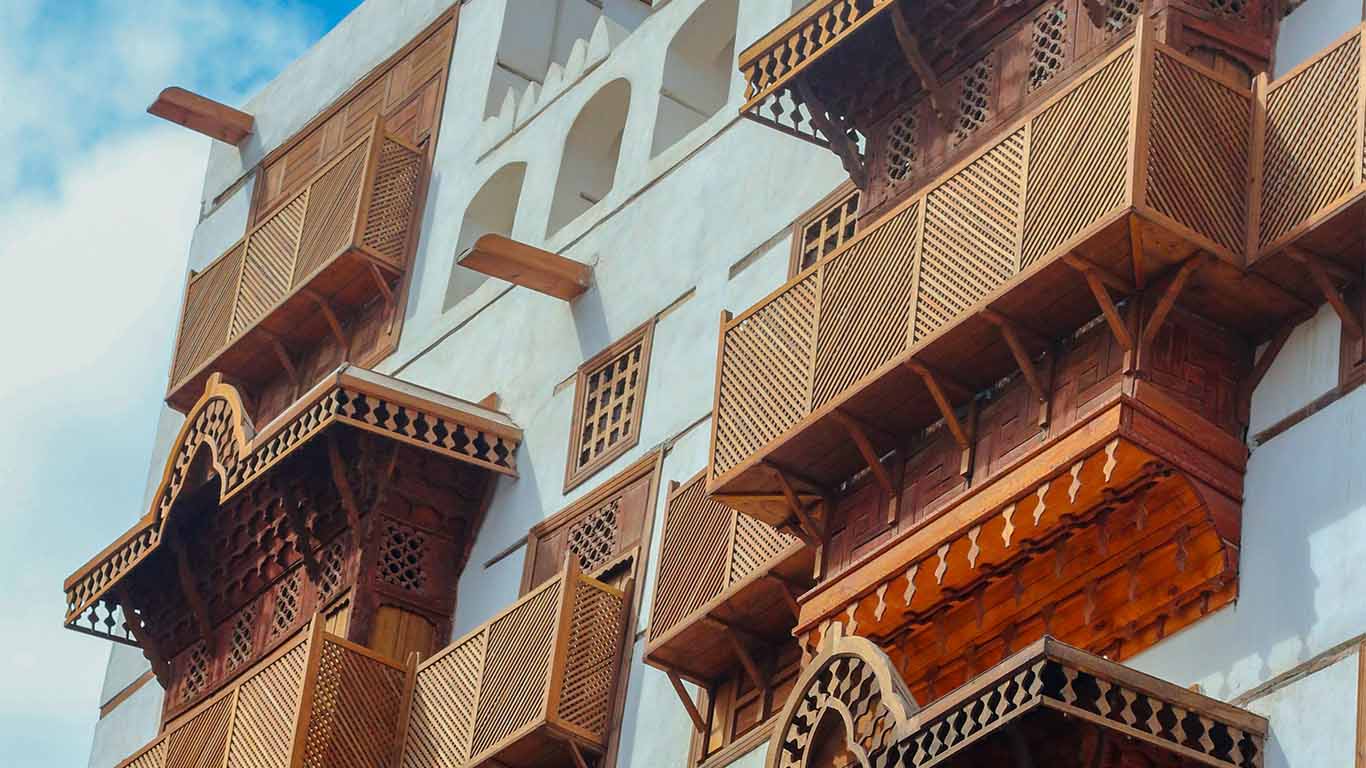
Historic districts dominate parts of the central coastline, limiting redevelopment opportunities
Industrial and port infrastructure occupies significant coastal land south of the city
New premium residential supply is concentrated primarily in the northern corridor
As a result, the real estate market behaves as a series of micro coastal zones rather than one uniform waterfront.
Understanding these zones is essential for analysing Red Sea Jeddah property correctly.
District Analysis: Where Value Is Concentrated
Central Corniche and Al Hamra
The historic Corniche area and districts such as Al Hamra represent Jeddah’s traditional prime waterfront.
Typical characteristics include:
Established apartment towers and older luxury villas
Proximity to commercial districts and embassies
Mature infrastructure and services
Price ranges in these central waterfront areas often fall between SAR 8,000 and SAR 13,000 per square metre, depending on building age and sea views.
Rental yields here tend to sit between 5 percent and 7 percent gross, supported by professional tenants and long term residents rather than short stay tourism.
For investors, these districts offer stability but limited explosive growth potential because much of the value is already priced in.
Northern Expansion Corridor: Obhur and Beyond
The northern coastline has become the focal point of Jeddah’s modern residential growth.
Areas such as Obhur Al Janoubiyah and Obhur Al Shamaliyah have seen rapid development of:
Gated villa communities
New beachfront compounds
Mid rise residential projects aimed at upper middle and affluent buyers
Prices in these districts vary widely, typically ranging from SAR 6,500 to SAR 11,000 per square metre depending on proximity to the water and project quality.
The north attracts buyers for several reasons:
Larger available land plots allow master planned developments
New road networks improve airport connectivity
Families prefer newer housing stock compared to older central towers
This corridor represents the part of the city most likely to capture long term demographic growth.
Emerging Premium Waterfront Zones
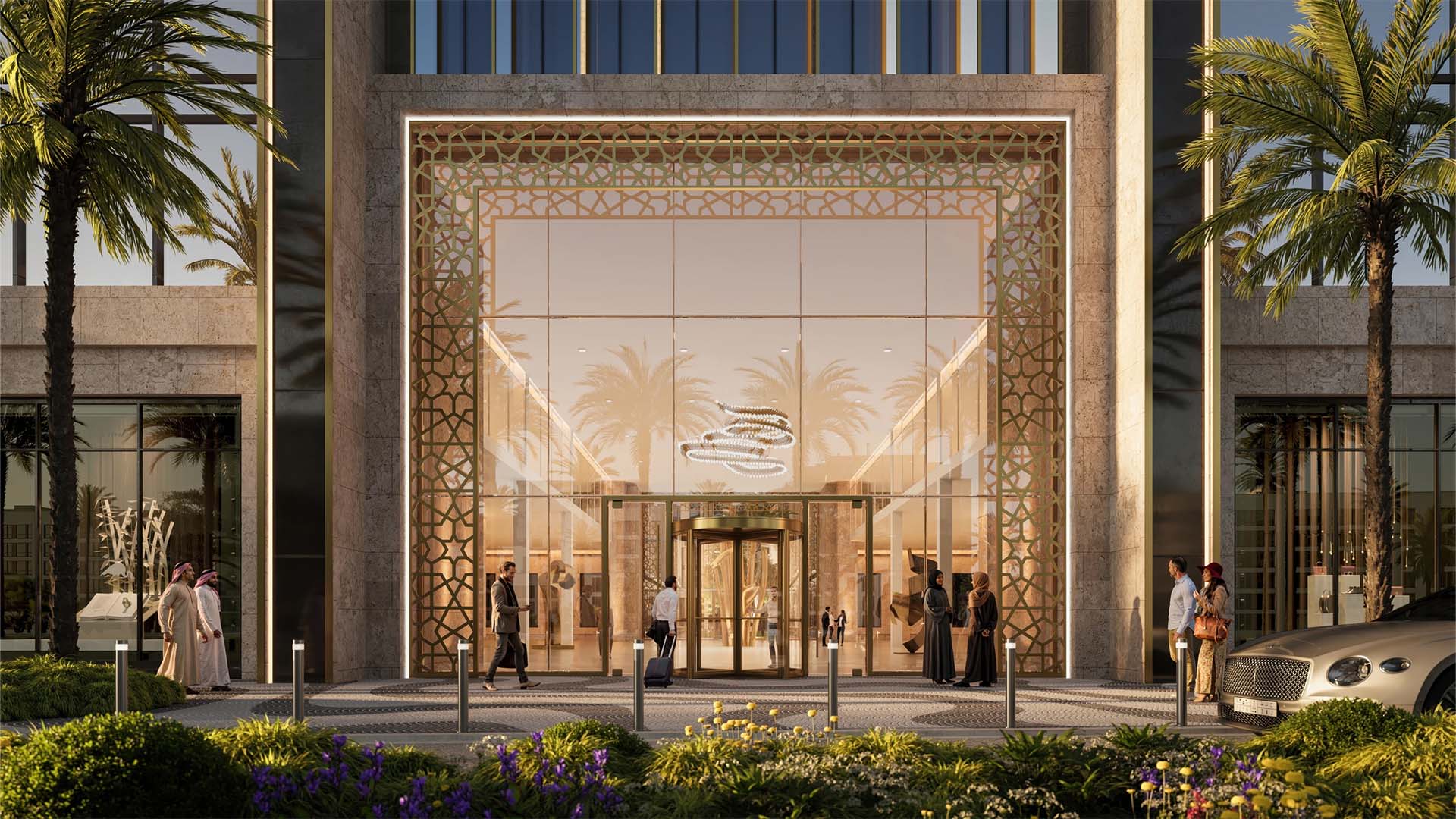
Further north, large scale developments are gradually reshaping sections of the coastline into higher specification residential and mixed use zones.
These projects often feature:
Branded residential concepts
Marina access or private beachfront design
Integrated retail and hospitality components
Pricing in such developments can exceed SAR 14,000 per square metre for prime waterfront units, placing them closer to international benchmarks within the Gulf.
However, liquidity in these newer zones is still forming, meaning resale performance can vary significantly depending on developer reputation and project delivery.
Pricing in Global Context
On a purely numerical basis, Red Sea Jeddah property remains cheaper than many international coastal cities.
For example:
Prime Dubai waterfront apartments frequently exceed AED 25,000 per square metre, equivalent to roughly SAR 25,000 plus
Mediterranean prime coastal cities such as Barcelona or Nice often exceed EUR 6,000 per square metre in desirable waterfront districts
Jeddah’s lower pricing partly reflects its earlier stage of internationalisation rather than lack of demand.
Historically, coastal cities tend to reprice when three conditions align:
Clearer foreign ownership frameworks
Growth in institutional quality developments
Improved financing and transaction transparency
Jeddah is progressing gradually across all three fronts.
Rental Market Fundamentals
The rental market in Jeddah differs from that of resort heavy coastal locations.
Long term tenants dominate demand, including:
Corporate employees in logistics, aviation, healthcare, and retail
Saudi professionals relocating within the city
Families upgrading from inland districts to newer northern communities
Typical annual rental yields vary by property type:
Central waterfront apartments: approximately 5 to 7 percent gross
New northern apartments: approximately 6 to 8 percent gross
Villas in gated coastal communities: generally 4 to 6 percent gross
Short term rental activity is growing but still represents a smaller share of the market compared with cities such as Dubai.
This structure reduces volatility but also means investors should not rely solely on holiday letting projections when assessing returns.
Supply Pipeline and Development Pace
Saudi residential supply tends to enter the market more gradually than in some neighbouring Gulf cities.
Developers often phase projects over multiple years. Launch announcements do not necessarily translate into immediate inventory delivery.
This slower release pattern has two consequences:
It reduces the likelihood of sudden oversupply shocks
It means price discovery occurs incrementally as each project completes
For investors, this makes market timing less about predicting a single boom and more about understanding which districts are entering their development cycle earlier than others.
Liquidity and Transaction Transparency
Liquidity remains one of the most important variables in assessing Red Sea Jeddah property.
While transaction systems have improved significantly in recent years, the market still differs from highly internationalised cities in several ways:
Mortgage markets are expanding but not yet as deep as in the UAE
Secondary market data remains less publicly standardised
International resale demand is growing but still emerging
For institutional investors, liquidity is often the key determinant of capital allocation.
Markets typically evolve from domestic liquidity to regional liquidity and eventually to global liquidity. Jeddah appears to be moving from the first stage toward the second.
Demographic and Economic Drivers
Jeddah’s long term housing demand is underpinned by several structural factors:
Continued population growth in the wider Makkah province
Expansion of private sector employment tied to trade and services
Infrastructure investment improving northern transport corridors
Ongoing urbanisation trends encouraging apartment living over traditional villas
These drivers suggest steady baseline demand even without aggressive tourism assumptions.
Risks and Constraints
Despite positive structural trends, investors should recognise several risks.
Market transparency remains uneven
Data availability and resale comparables can vary between districts and developers.
Liquidity growth may be gradual
International participation is increasing but not yet dominant.
Construction timelines can shift
Large projects sometimes face delays that affect delivery schedules and short term pricing expectations.
Financing accessibility differs by buyer profile
Loan availability and terms may vary significantly between domestic and foreign purchasers.
None of these risks are unusual for a market in transition, but they influence investment horizon expectations.
Outlook: A Market Entering Price Discovery
Red Sea Jeddah property today occupies a middle position in the lifecycle of global coastal real estate markets.
It is no longer purely domestic, yet not fully internationalised.
Cities in this phase often experience:
Selective repricing of prime waterfront assets
Gradual entry of external capital rather than sudden surges
Increasing segmentation between high quality developments and average stock
For investors, this stage can present opportunity, but primarily for those with medium to long investment horizons rather than short term speculative expectations.
Final Assessment
Jeddah’s coastal property market is unlikely to replicate the rapid boom cycles seen in highly speculative resort destinations.
Instead, its trajectory is more likely to resemble that of established trading port cities that slowly gain international recognition as their legal frameworks and infrastructure mature.
The strength of Red Sea Jeddah property lies not in dramatic marketing narratives but in the underlying reality of a large, economically active coastal metropolis whose waterfront is gradually becoming more accessible to external capital.
If internationalisation continues steadily, the coming decade may see Jeddah’s coastline transition from a regional housing market into one of the Middle East’s more strategically valued urban waterfronts.
Was this article helpful?
Suggested for You

Join Our Community
Stay Informed
Sign up for our newsletter to receive exclusive market insights, new property listings, and investment opportunities delivered to your inbox.
Related Reading
You May Also Like
NEOM 2025 Update - Sindalah Opens, Oxagon Advances, The Line Scaled
International Property Buyers Eye Saudi Real Estate Opportunities in 2026