Saudi Real Estate's Bold Reforms and Q3 2025 Surge
Saudi Arabia’s real estate market is witnessing a clear flight to quality and innovation across all sectors, shaping a future where real estate plays a pivotal role in the Kingdom's economic diversification.
James Fraser
Author
Regulatory Reset: Saudi Real Estate's Bold Reforms and Q3 2025 Surge
Let us cut to the essentials.
Saudi Arabia's property sector has posted its strongest quarter yet in 2025, propelled by Vision 2030's momentum and a slate of targeted reforms. Q3 data reveals broad gains across residential, office, and industrial segments, even as new measures address affordability and speculation. With the Non-Saudi Property Ownership Law set for January 2026 activation, the market edges toward greater global integration.
Q3 2025 Performance Snapshot
The sector's vitality is evident in transaction volumes and pricing. Hospitality occupancy held at 60.5%, supported by 14.3 million international visitors through the Saudi Summer campaign. Industrial rents in Riyadh grew 10.5% year-over-year, with submarkets like Taybah up 21.7%.
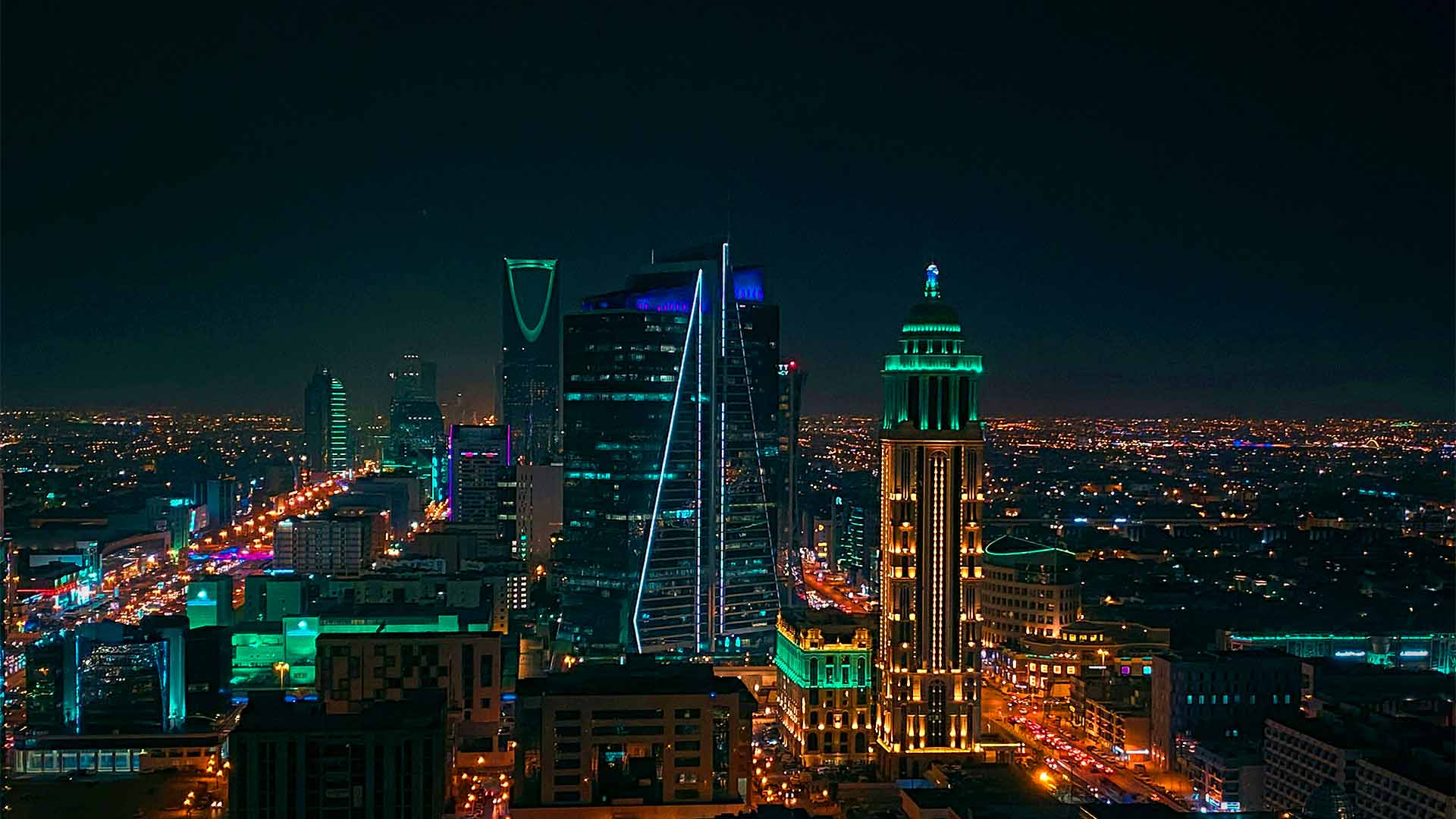
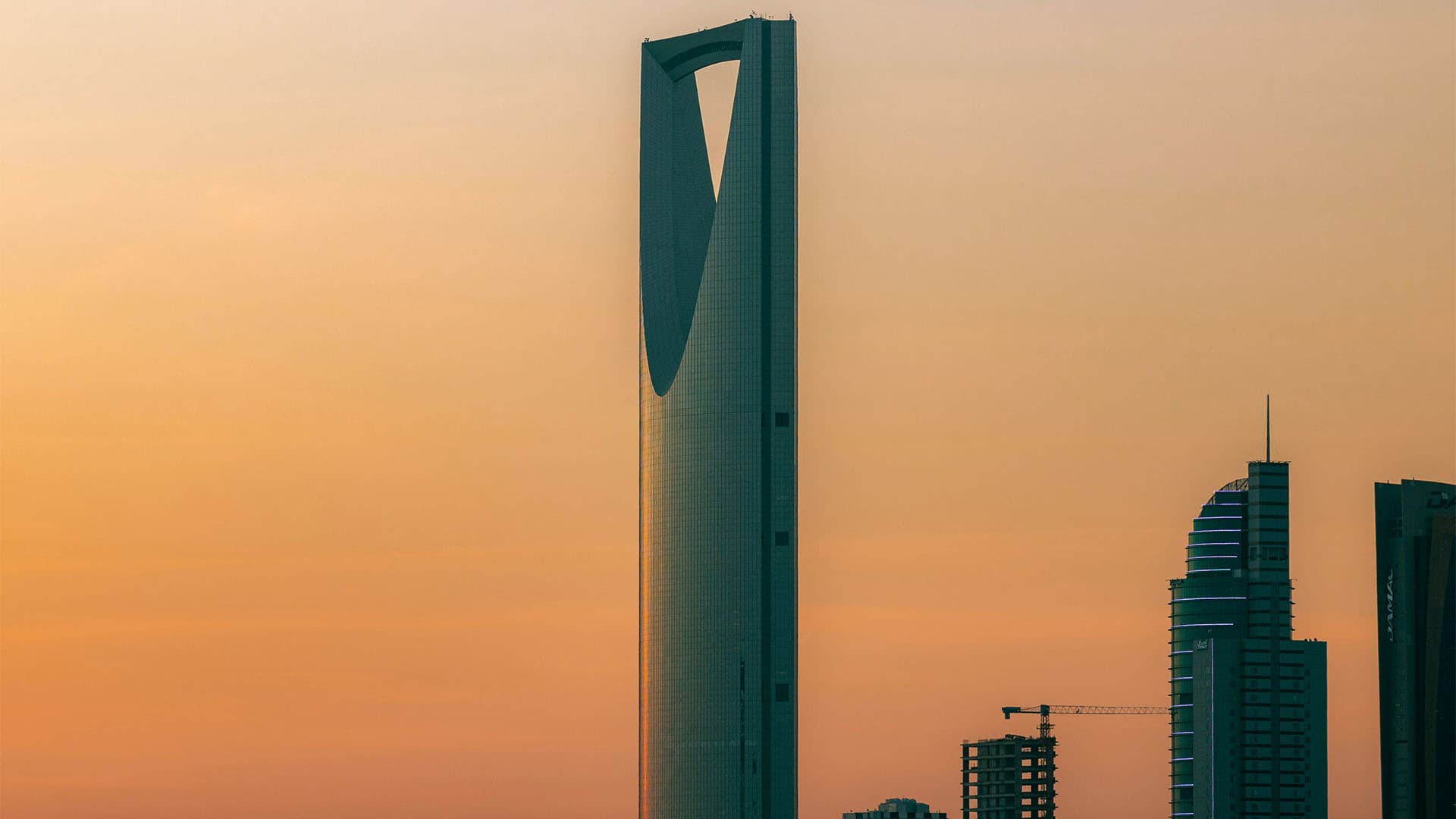
Office demand tightened further, with Riyadh's prime vacancy at just 0.5%, driving King Abdullah Financial District rents to SAR 3,630 per sqm, a 11.1% annual increase. Jeddah's Grade A vacancy stood at 4.9%.
Retail stability persisted, with Riyadh super-regional malls at 2.5% vacancy, adapting to tourism via experience-focused developments.
Residential sales accelerated: Riyadh tallied 6,140 units, with apartment prices up 10.3% to SAR 6,501 per sqm and rents rising 19.6% for apartments and 17.2% for villas. Jeddah recorded 3,228 sales, villa prices +3.1% to SAR 6,668 per sqm, though apartments dipped 2.8%.
Overall market value stands at USD 74.99 billion in 2025, projected to reach USD 109.63 billion by 2030 at a 7.89% CAGR.
Key Reforms Shaping the Landscape
Two major policy shifts, implemented in late 2025, aim to balance supply and demand while curbing excesses.
The revised White Land and Vacant Property Tax Law, approved by Royal Decree No. (M/244) in April and effective nationwide, now covers long-term vacant buildings beyond undeveloped plots. It imposes tiered rates up to 10% on holdings of 5,000 sqm or more, targeting 411 million sqm of idle land to spur development and housing supply.
Complementing this, a five-year rent freeze in Riyadh, announced in September, caps increases on renewed and vacant residential/commercial leases at the last registered rate. This stabilizes costs amid rapid urbanization, potentially redirecting capital to long-term projects.
These follow April's expansion of foreign ownership rights, excluding Mecca and Medina, and the SAR 4 million investment threshold for Premium Residency.
The Saudi Properties Platform: Gateway for Non-Saudis
Launched December 5, 2025, by the Real Estate General Authority (REGA), the "Saudi Properties" platform streamlines transactions for non-Saudis ahead of the January 2026 law. Debuted at Cityscape Global in November, it centralizes ownership deals in designated zones like Riyadh and Jeddah, enhancing transparency via electronic deeds and investor licensing.
This digital hub aligns with broader digitization, including Ejar for rentals, and supports Vision 2030's goal of 200,000 new residential units by 2030.
Spotlight: Diriyah's $63 Billion Transformation
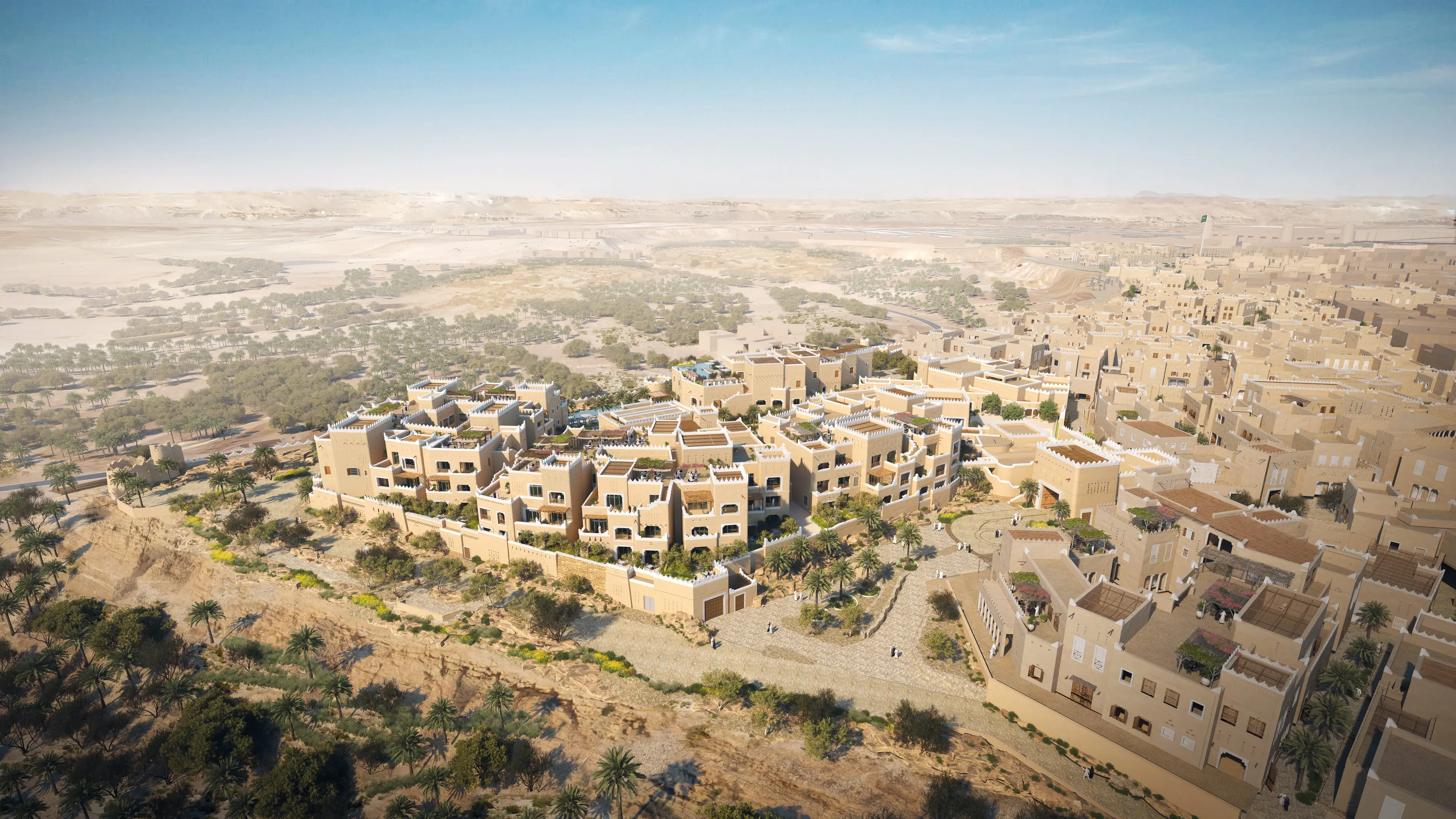
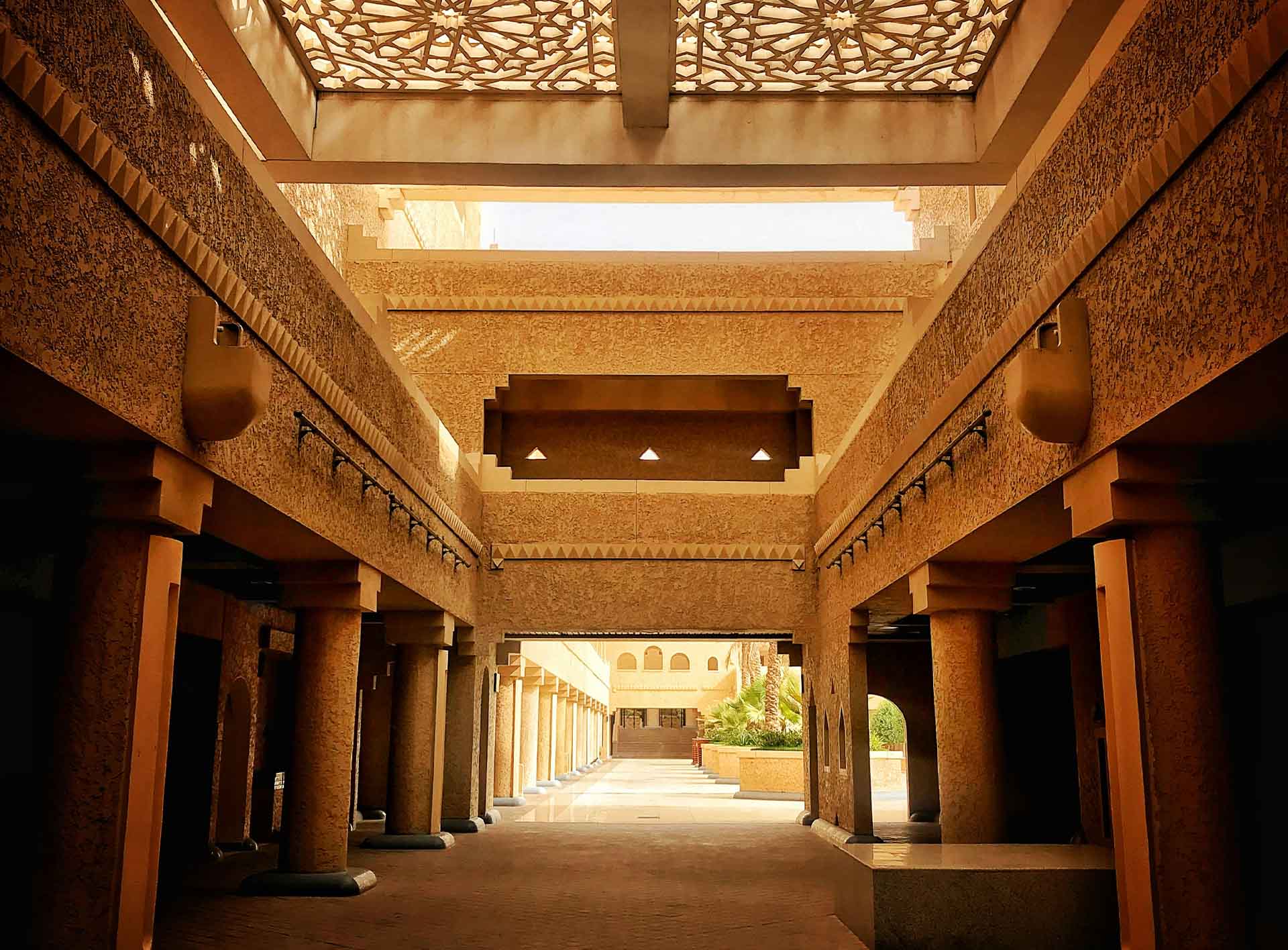
A standout development is Diriyah, the UNESCO-listed heritage site turning into a luxury mixed-use hub. The $63 billion project includes hotels, retail, and offices, with talks underway for a Trump-branded property as of November 2025. Led by the Diriyah Gate Development Authority, it exemplifies how cultural preservation meets modern investment, boosting tourism tied to Expo 2030 and FIFA World Cup 2034.
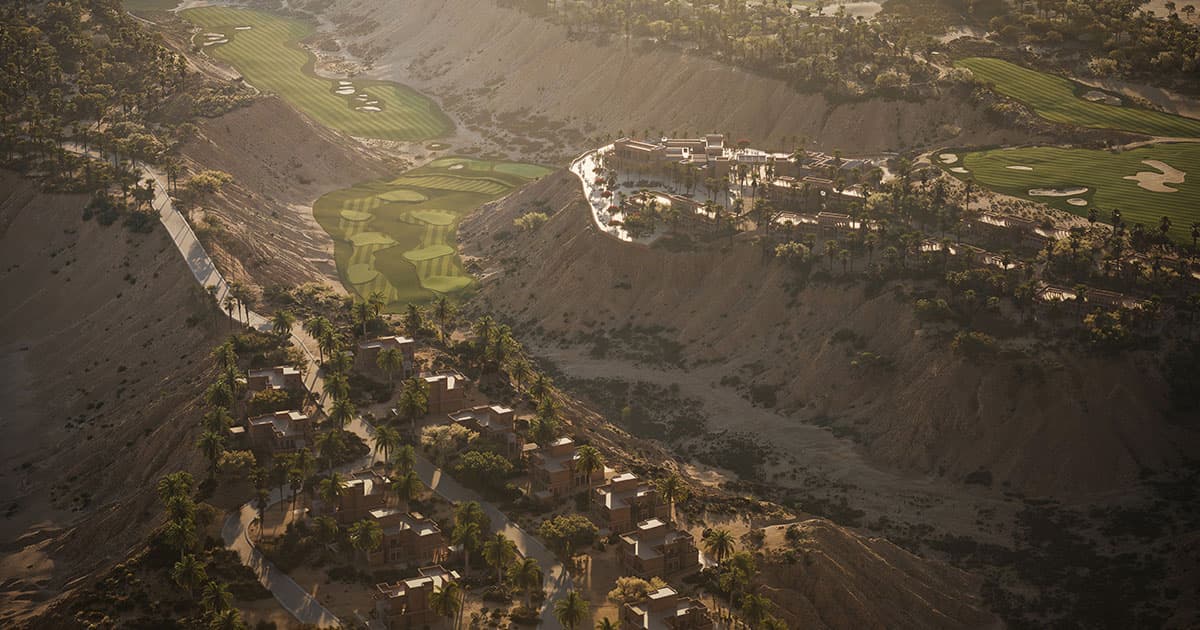
Other giga-projects like NEOM and the Red Sea Project continue to draw capital, with Laheq Island's residential debut slated for 2028.
Considerations for Stakeholders
While growth is robust, challenges include affordability pressures, with Riyadh apartment prices up 82% since 2019, and secondary market liquidity. Reforms like plot releases (10,000-40,000 annually in Riyadh) aim to ease this. Oil price ties persist, though diversification mitigates volatility.
Foreign investors benefit from zero rental income tax and USD-pegged stability, but geographic limits and approvals apply.
Saudi Arabia's real estate market in late 2025 demonstrates resilience and forward momentum, with Q3 gains underscoring investor confidence amid reforms. The Saudi Properties launch signals readiness for international participation, potentially injecting fresh liquidity. For developers and buyers, the emphasis is on quality assets in high-demand areas like Riyadh's financial district.
Was this article helpful?
Suggested for You

Join Our Community
Stay Informed
Sign up for our newsletter to receive exclusive market insights, new property listings, and investment opportunities delivered to your inbox.
Related Reading
You May Also Like
NEOM 2025 Update - Sindalah Opens, Oxagon Advances, The Line Scaled
International Property Buyers Eye Saudi Real Estate Opportunities in 2026