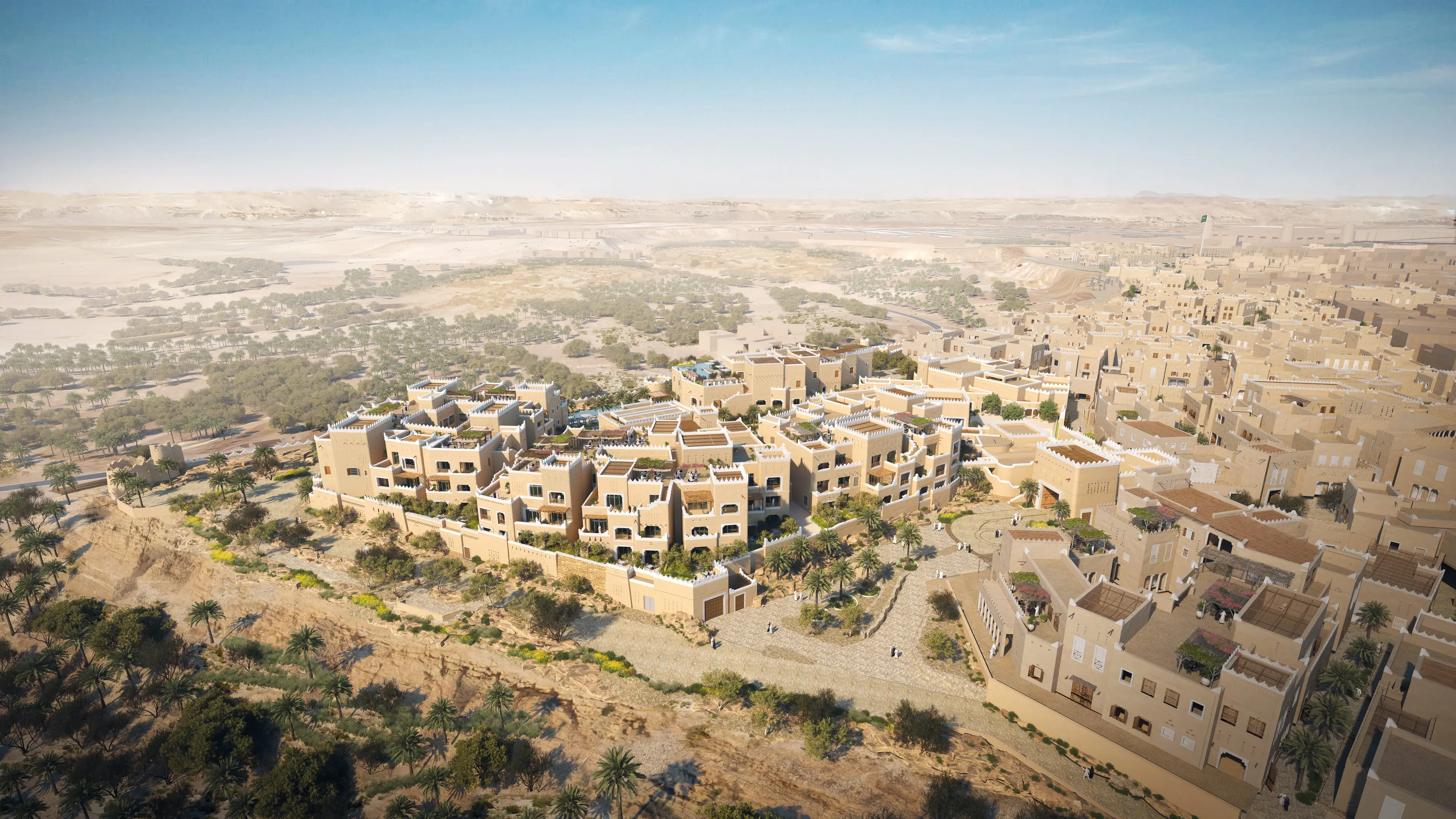
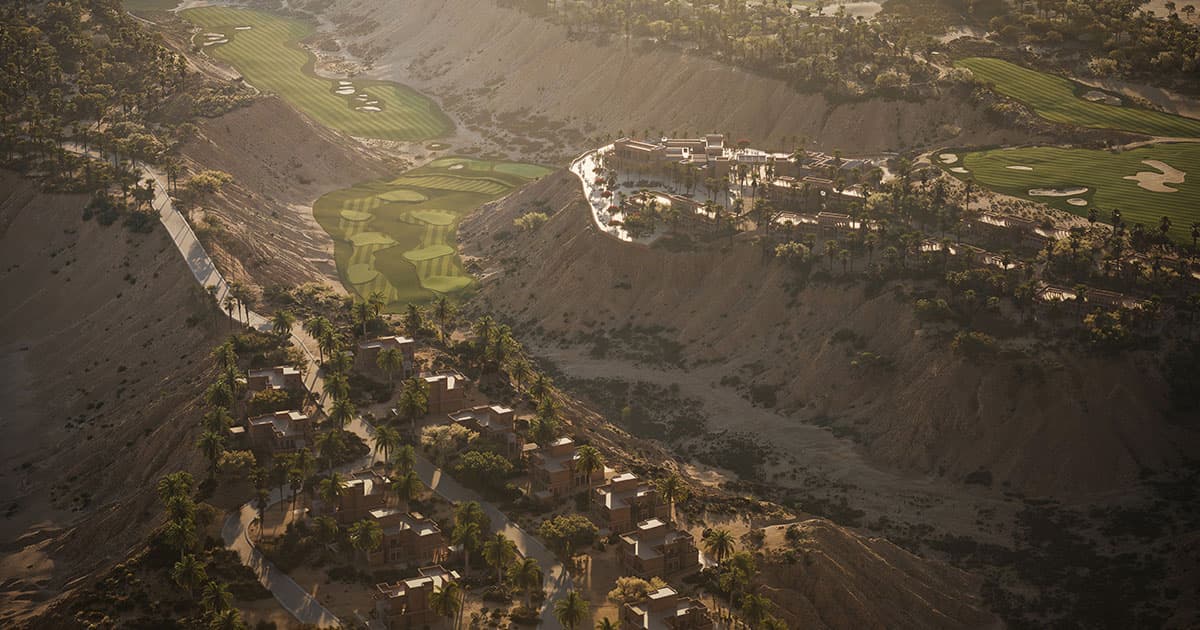
International Property Buyers Eye Saudi Real Estate Opportunities in 2026
Saudi Arabia’s residential market delivered 10.7% price growth in Riyadh and 8.89% gross rental yields in Q1 2025, making it one of the highest-yielding stable markets globally for qualified international buyers.
James Fraser
Author
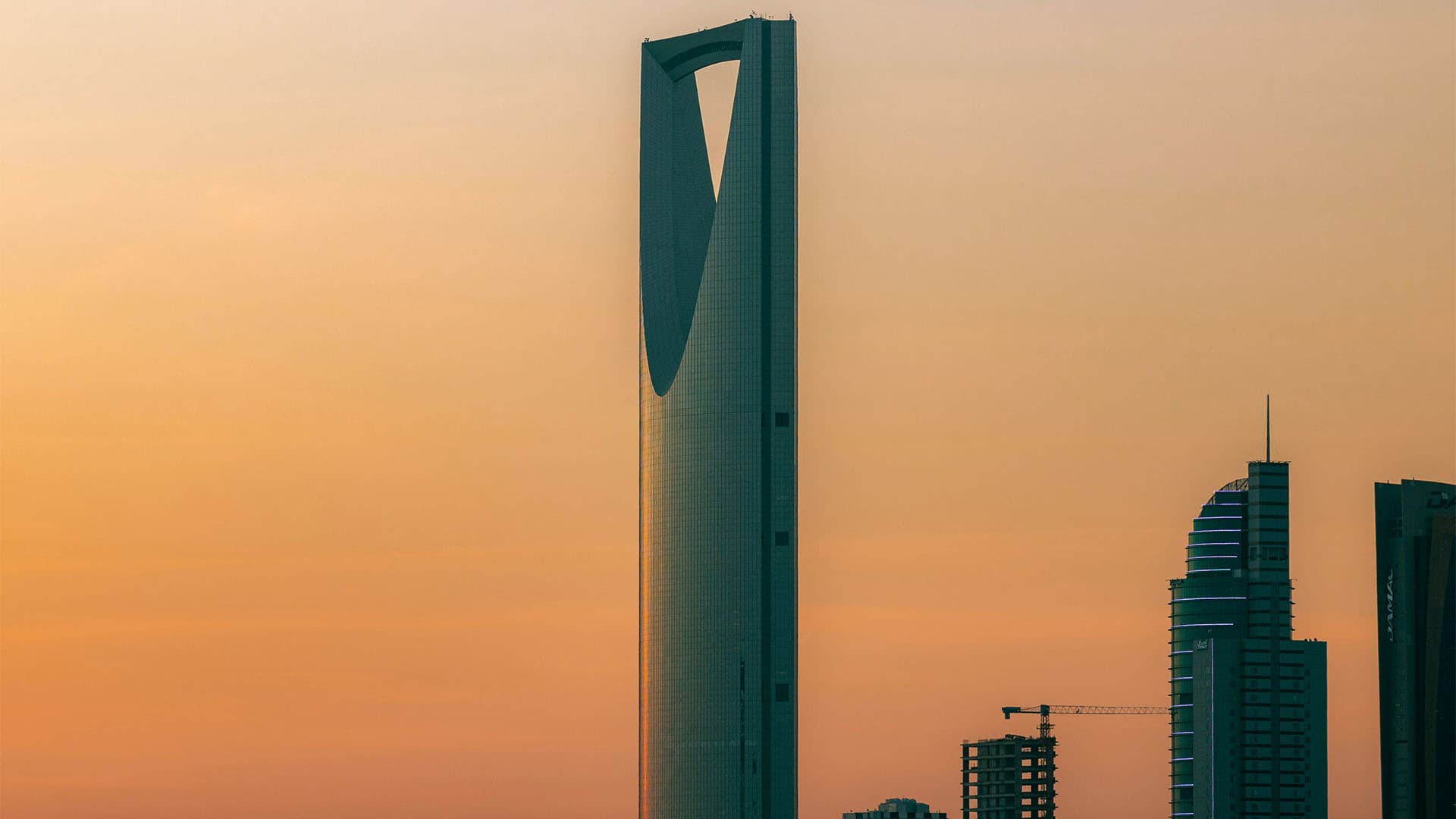
Saudi Arabias real estate sector has evolved from a niche market into a global contender. Driven by Vision 2030, the market supports economic diversification and urban expansion. Foreign investors now find structured pathways to participate, with the overall sector valued at USD 74.99 billion in 2025 and projected to reach USD 109.63 billion by 2030 at a 7.89% compound annual growth rate. This growth stems from population increases, tourism initiatives, and regulatory reforms that enhance accessibility for non-Saudis.
Ownership Framework for Foreign Investors
Saudi Arabia maintains a designated zone model for foreign real estate ownership. The Law of Real Estate Ownership by Non-Saudis, approved in July 2025 and effective January 2026, permits non-Saudis to acquire property in specified geographic areas, including Riyadh and Jeddah. Foreign individuals and entities may own full title, leasehold, usufruct, or surface rights in these zones, subject to regulatory approval from the Real Estate General Authority (REGA).
Key restrictions apply. Ownership remains prohibited in Mecca and Medina for non-Muslims, with limited exceptions for Muslim residents via inheritance or endowments. Non-resident foreigners access only designated zones, while residents with valid iqama may purchase one personal residential property outside these areas, pending Ministry of Interior approval. A 10% real estate transaction fee applies to non-Saudis, alongside standard registration costs.
The Premium Residency program, often termed the Golden Visa, offers an additional route. Investors in residential real estate valued at SAR 4 million (about USD 1.07 million) qualify for renewable five-year residency, including family members. This status enables work in the private sector and property ownership nationwide, excluding restricted areas. As of mid-2025, over 40,000 applications have been received since program expansions in 2024.
Market Performance and Yields
Residential properties dominate foreign interest, supported by urbanization and a 63.74% national homeownership rate in early 2024, up 16.7% from 2016. Gross rental yields average 6.75% nationwide in Q1 2025, with Riyadh at 8.89% and Jeddah at 7.89%. These figures exceed many regional benchmarks, bolstered by zero personal income tax on rentals for individuals.
CityAverage Gross Rental Yield (Q1 2025)Key DriverRiyadh8.89%Urban expansion, expat influxJeddah7.89%Tourism, coastal demandDammam6.50%Industrial growthNational6.75%Overall market maturity
Data sourced from Global Property Guide and Stephane Tajick Consulting.
Capital appreciation varies by location. Riyadh led with 10.7% year-on-year price growth in Q1 2025, followed by Jeddah at 5%. In H1 2025, Riyadh residential sales reached SAR 65.7 billion, up 63% from H1 2024, while Jeddah hit SAR 18.3 billion, a 34% rise. New supply added 8,100 units in H1 2025 across these cities, with 72,000 more planned by 2027.
Emerging Hotspots
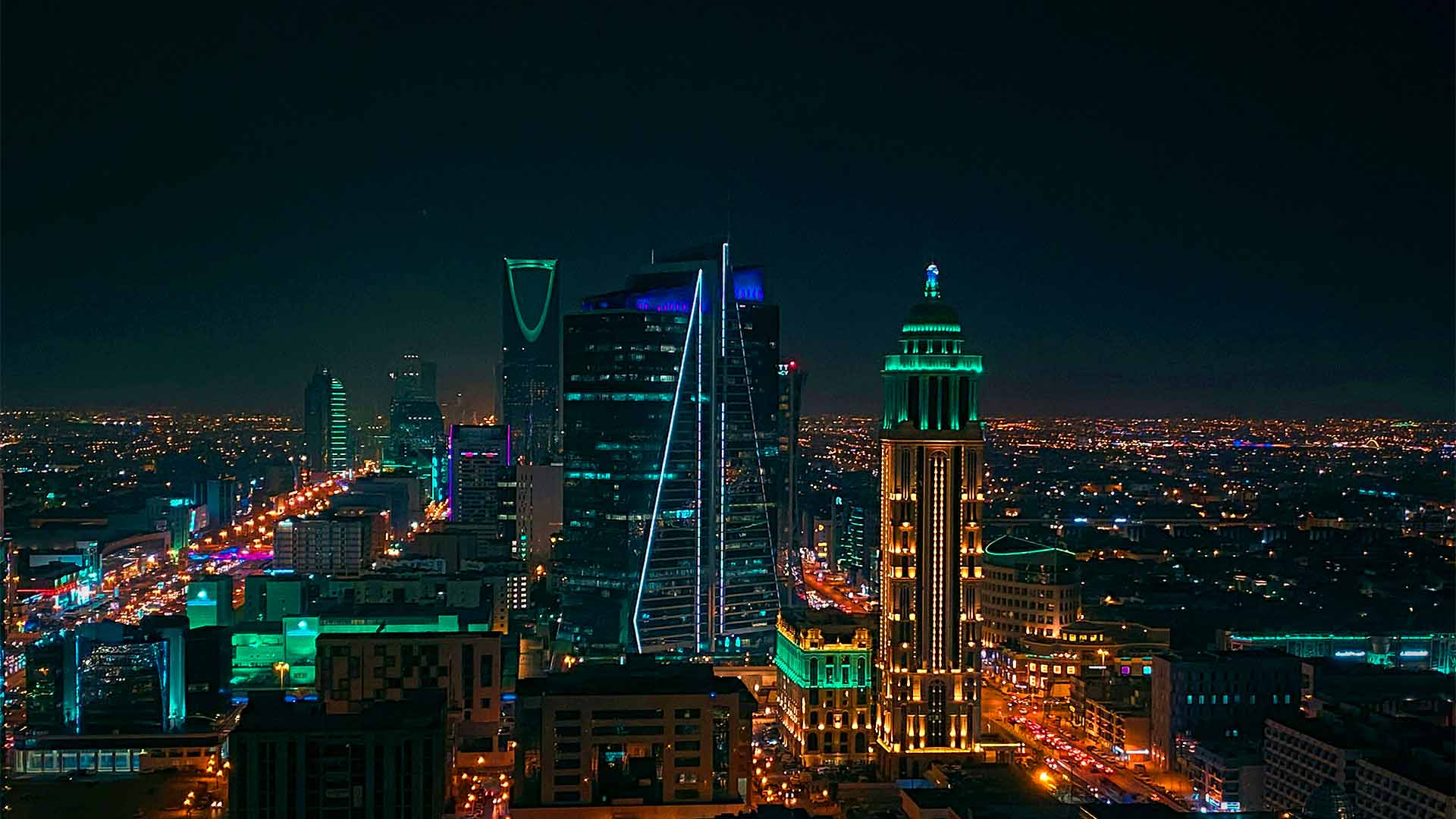
Riyadh anchors urban investment, with districts like Al Nakheel and the Diplomatic Quarter seeing 10.5% apartment and 12.4% villa price increases in H1 2025. The King Abdullah Financial District benefits from 540 international headquarters established under Vision 2030.
Jeddah appeals for coastal properties, with 4.7% apartment rent growth year-on-year and yields up to 13.1% in North Jeddah. Developments like Jeddah Central drive demand.
Giga-projects offer speculative potential. The Red Sea Project, targeting 50 resorts by 2030, supports luxury tourism with expected 15-20% annual land value growth in surrounding areas. NEOM, despite scaled-back timelines, forecasts high returns in its coastal zone, with phase one infrastructure advancing toward 2025 completion. These areas align with tourism goals, aiming for 100 million visitors by 2030.
Transaction Process
Purchases occur via REGA's electronic platform, Ejar, for title deeds issued within hours. Non-residents secure mortgages from local banks at 4.5-5.5% rates, up to 70% loan-to-value. Licensed brokers like Savills and Knight Frank facilitate deals, with total costs at 5-10% of value, including 5% RETT.
Steps include:
Obtain investor identification from the Ministry of Investment.
Conduct due diligence via REGA.
Sign agreement and pay deposit.
Register deed and transfer funds.
Secure residency if applicable.
Potential Challenges
Foreign investors face geographic limits and approval requirements, which may delay transactions. Market volatility ties to oil prices, though diversification mitigates this; prices dipped 3.7% in 2018 amid low crude but rebounded 26.7% from 2021-2024. Liquidity in secondary markets lags established hubs, with bureaucratic hurdles in permits. Geopolitical factors and regulatory changes, such as the 2025 undeveloped land tax up to 10%, introduce uncertainty.
Currency stability, with the riyal pegged to the USD, reduces exchange risk. Experts recommend legal counsel for compliance.
Final Assessment
Saudi Arabias real estate market presents verifiable growth for informed international buyers, backed by reforms and yields above 6.75%. Focus on Riyadh and Jeddah for stability, or giga-projects for higher potential. Conduct thorough due diligence to align with personal objectives. The opportunity exists for those who proceed methodically
Was this article helpful?
Suggested for You

Join Our Community
Stay Informed
Sign up for our newsletter to receive exclusive market insights, new property listings, and investment opportunities delivered to your inbox.
Related Reading
You May Also Like
NEOM 2025 Update - Sindalah Opens, Oxagon Advances, The Line Scaled
Saudi Real Estate's Bold Reforms and Q3 2025 Surge