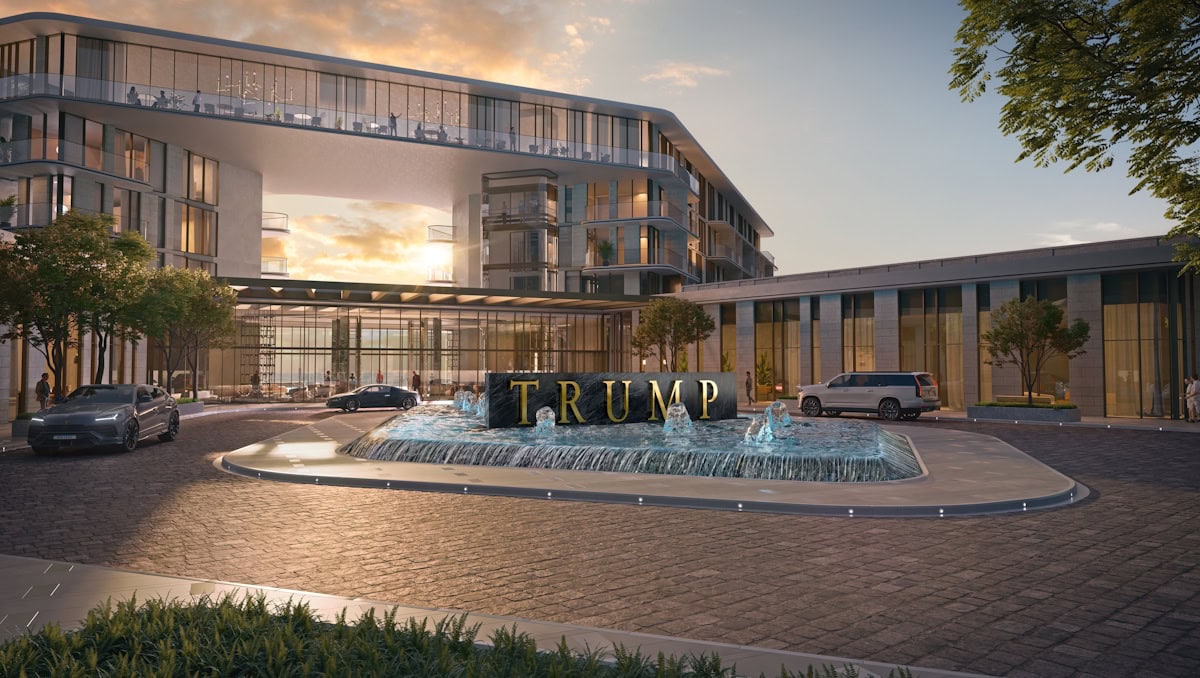
A high-profile branded development in Jeddah is drawing international interest, but foreign buyers often run into the same confusion. Who actually owns the project. What the brand name on the building really means. And whether a non-Saudi can legally buy, register, and later resell a unit without surprises.
This guide explains how foreign ownership can work for a mixed-use project like Trump Plaza Jeddah, what Saudi Arabia’s updated rules mean in practice, and what you should verify before paying a reservation fee or signing an off-plan contract.
What foreign ownership means in this project
People usually mean one of three things when they ask about “foreign ownership.”
Foreign ownership of the developer group
A project can be built by a company that is listed abroad or has foreign shareholders, while the land and permits are held through Saudi incorporated entities created for the development. Foreign participation at the corporate level does not automatically tell you whether foreign individuals can buy units.
Foreign ownership through buying a unit
This is the most common question. Can a non-Saudi individual or foreign company buy a residence, serviced apartment, or office unit and register rights in their own name.
Foreign ownership through long-term rights rather than full title
In some cases, what is sold is not full freehold ownership but a long-duration real property right such as usufruct or similar registrable interests. For international buyers, these structures can be perfectly workable, but only if the contract clearly states the right being sold and the registration pathway.
Who controls what in a branded development
Branded real estate projects often involve two separate roles.
The project owner developer
This party typically controls the land, financing, construction contracting, sales program, and handover process. If anything goes wrong operationally, this is usually the entity you are contracting with.
The brand licensor
This party typically licenses the name, marketing identity, and hospitality or design standards, and may have ongoing involvement in branding and management requirements. A famous name on the brochure does not automatically mean the brand owner holds the land title.
What this means for foreign buyers: your legal rights come from the sale contract and the land or unit registration framework, not from the brand.
The Saudi framework that determines whether foreigners can buy
Saudi Arabia has published an updated framework for non-Saudi real estate ownership. The key concepts foreign buyers should understand are these.
Eligibility can include individuals and companies
The framework is designed to cover non-Saudi individuals and non-Saudi companies, and it also addresses structures where Saudi companies have non-Saudi shareholders. That matters because many buyers purchase through corporate vehicles rather than in their personal name.
Location is decisive
Foreign ownership is not simply “allowed in the country” in a blanket way. It is tied to designated geographic scopes, meaning mapped areas and defined categories where ownership or other registrable rights are permitted, along with conditions and limits.
Even within a city, not every district is automatically eligible. A project’s marketing may say “Jeddah,” but the legal question is whether the site falls inside an approved scope once the mapping and implementing rules apply.
Registration matters more than sales language
For foreign buyers, the most important operational test is whether the unit can be registered properly in the real estate registry and under what form of right. If the developer cannot clearly explain how registration will happen at completion, you do not yet have certainty.
Fees and taxes can differ for non-Saudis
The framework describes a combined charge tied to transactions involving non-Saudis, including an existing disposition tax plus an additional fee up to a stated cap. In practice, the actual cost burden depends on the transaction structure, whether it is a first sale or resale, and how the regulations are implemented at the time you transact.
How to check if a non-Saudi can buy at Trump Plaza Jeddah
Because mixed-use projects can have different rules by component, you should treat each asset type separately.
Residences
Ask whether the residential units will be sold as full ownership or as another registrable right, and whether non-residents can register the unit.
Serviced apartments
Serviced apartments sometimes operate under hotel-style management and may be sold under different legal and operational terms than standard homes. Ask how usage, letting, and management fees work, and whether the buyer’s right is ownership, a long-term interest, or a revenue participation structure.
Offices
Commercial units may be eligible under different conditions, particularly for foreign companies. Ask whether a foreign company can buy directly, or whether a local vehicle is required.
Due diligence checklist for foreign buyers
If you do only one thing, do this: treat it like a registration problem, not a marketing problem.
Ask these questions before paying any reservation
What is the legal name of the project company that holds the land
Is the land title already issued and in whose name
What right is being sold to the buyer: ownership or another registrable right
What is the step-by-step unit registration process at handover
Is the site within the applicable geographic scope for non-Saudi ownership once published and effective
Are there caps, quotas, or building-level allocations for foreign buyers
Are there restrictions on resale, letting, or occupancy for non-Saudis
What taxes, fees, and registration costs apply on purchase and resale for non-Saudis
What happens contractually if rules change between signing and handover
Documents you should request
Draft sale and purchase agreement specifying the right being sold and the registration commitment
A disclosure statement on foreign eligibility and any limits
A schedule of all costs: taxes, fees, registration charges, service charges, management fees, and sinking fund contributions
Construction and handover timetable, remedies for delay, and refund provisions
Any master community rules that affect usage, alterations, short-term letting, and pets
Risks and realities buyers should factor in
Regulatory timing risk
Off-plan buyers sign now and register later. If implementing rules or mapped scopes are in transition, the governing framework at handover may matter more than the framework at launch. Your contract should address that risk clearly.
Mixed-use complexity
In mixed-use schemes, the residential tower, serviced apartments, and office space can have different ownership structures, different management regimes, and different fee schedules. Do not assume one set of terms applies to all.
Brand risk and reputational volatility
High-profile political branding can influence media scrutiny, financing checks, and buyer sentiment over time. That does not make a project good or bad, but it can affect resale liquidity and the pool of willing counterparties in certain markets.
What a cautious foreign buyer should do next
Verify the project company and land position in writing.
Confirm the form of right being sold and the registration pathway.
Confirm geographic scope eligibility for the site when the official mapping applies.
Model total transaction costs including taxes, fees, service charges, and resale friction.
Use independent legal advice that is experienced in real estate registration and off-plan contracts in Saudi Arabia.
Was this article helpful?
Topics
Suggested for You

Join Our Community
Stay Informed
Sign up for our newsletter to receive exclusive market insights, new property listings, and investment opportunities delivered to your inbox.

Related Reading
You May Also Like
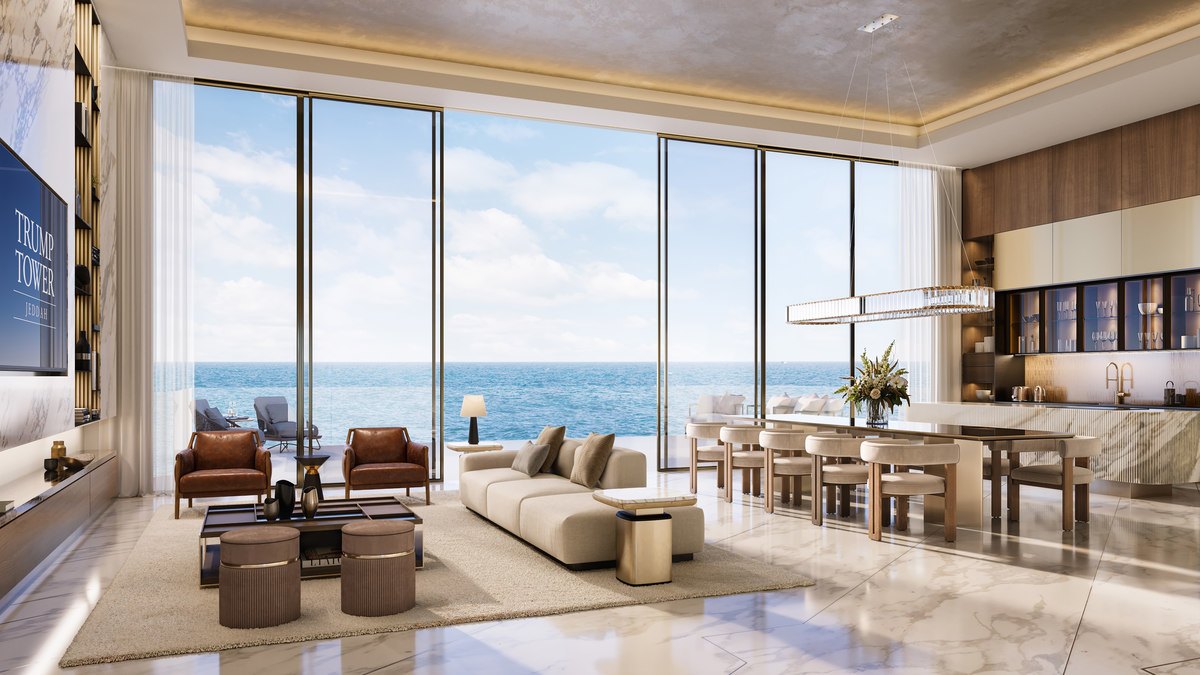
Trump Organisation’s $7.5 Billion Saudi Expansion: Trump Plaza Jeddah and Beyond
Trump Plaza Jeddah Developer Track Record & Delivery Timeline